Seeing a group of vultures circling above your neighborhood can be a little unsettling, especially if they seem to be lingering over a particular area. Your first thought might be that something has died nearby, but that isn’t always the case.
Vultures have some fascinating flight habits that help them conserve energy, locate food, and travel considerable distances. In fact, their presence overhead may have more to do with the weather than anything happening on the ground.
They’re Taking Advantage of Rising Warm Air
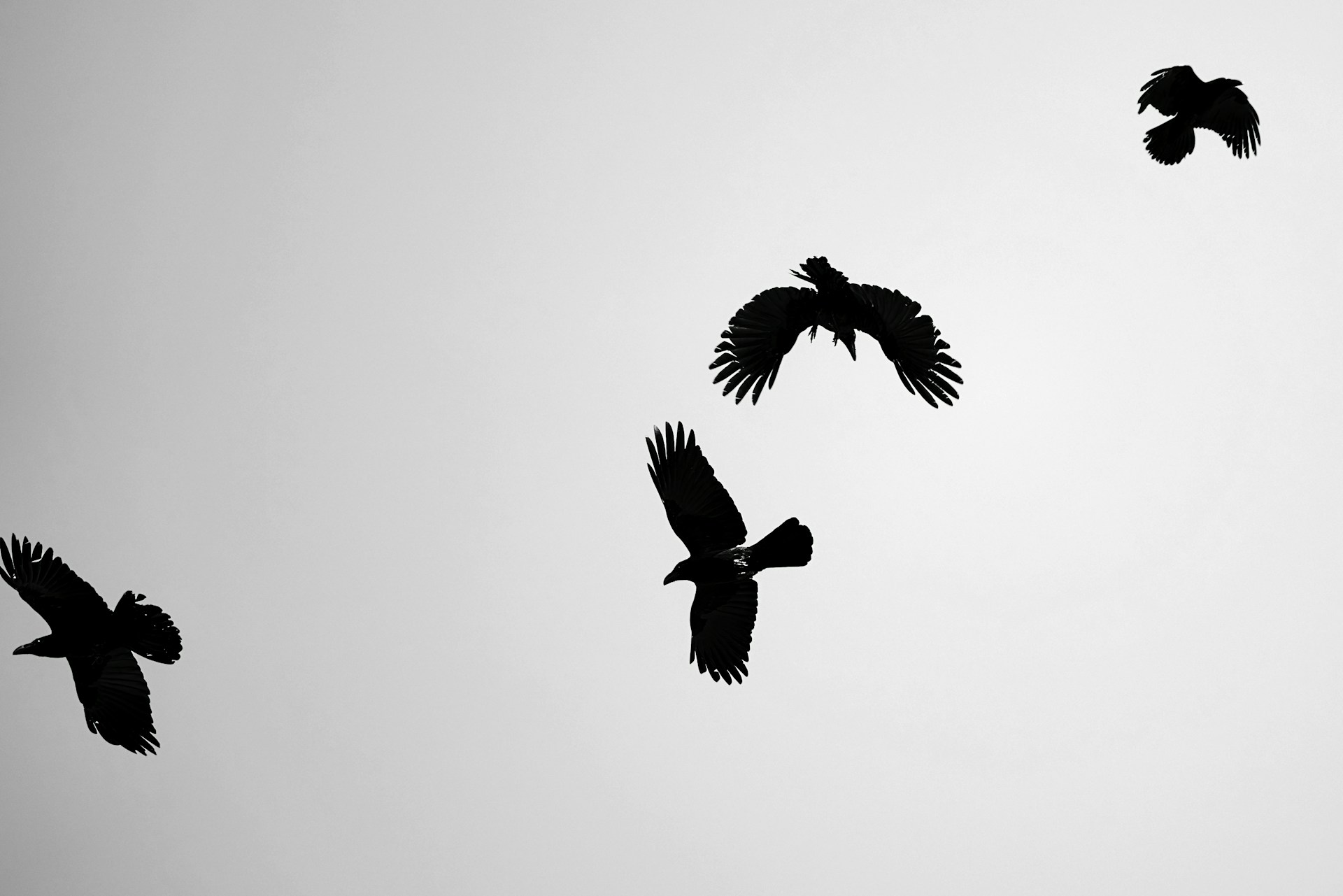
One of the most common reasons vultures circle overhead has nothing to do with food. As the sun heats the ground, columns of warm air called thermals rise into the atmosphere.
According to the Missouri Department of Conservation, vultures circle within these air currents to gain altitude without repeatedly flapping their wings. Once they’ve reached a sufficient height, they can glide away and continue their journey while conserving energy.
They May Be Searching for Food
Vultures are natural scavengers that primarily feed on dead animals. From high above the ground, they can cover large areas while searching for their next meal.
Interestingly, turkey vultures have an exceptional sense of smell that allows them to locate dead animals that may be concealed beneath vegetation. Black vultures rely more heavily on their eyesight and sometimes follow turkey vultures to discover food.
Related: Why Birds Keep Choosing Your Roof as Their Nesting Spot
Several Vultures May Be Using the Same Air Current
Seeing multiple vultures circling together doesn’t necessarily mean they’ve discovered a large food source. Several birds may simply be taking advantage of the same rising column of warm air.
According to the Cornell Lab of Ornithology, groups of soaring vultures can form what is known as a kettle. This behavior allows multiple birds to gain altitude before continuing their travels.
Your Neighborhood May Be Near a Communal Roost
If you’re regularly seeing vultures around your neighborhood, there may be a communal roost nearby. Vultures often gather in tall trees, wooded areas, and structures such as transmission towers, where they spend the night.
You may notice increased activity in the morning as the birds prepare to leave, or later in the afternoon as they return to their roosts.
Something in Your Neighborhood May Be Attracting Them
Although circling vultures don’t necessarily indicate a dead animal, certain neighborhood features can attract them. Roadkill, unsecured garbage, discarded food, nearby landfills, and outdoor pet feeding areas can all provide feeding opportunities.
If vultures repeatedly land in the same location rather than simply passing overhead, it may be worth investigating what’s attracting them.
They Could Simply Be Passing Through
Depending on where you live and the time of year, the vultures you see could be migrating. Some turkey vulture populations travel considerable distances between their summer and winter habitats.
During migration, vultures may temporarily gather in neighborhoods with suitable resting areas and favorable flying conditions before moving on.
Not All Vultures Behave the Same Way
Two common vulture species found in the United States are the turkey vulture and the black vulture. Adult turkey vultures have distinctive red heads and typically soar with their wings forming a shallow V, while black vultures have dark heads and noticeable white patches beneath their wingtips.
Turkey vultures rarely attack living animals. However, black vultures have been known to prey on vulnerable livestock, particularly newborn animals, making them more concerning for some farmers and homesteaders.
Vultures Actually Play an Important Role in Your Local Ecosystem
Despite their somewhat unsettling appearance, vultures provide a valuable natural cleanup service. By consuming dead animals, they help remove decaying carcasses from the environment and can limit opportunities for certain diseases to spread.
Their digestive systems are remarkably well adapted to consuming material that could make many other animals sick. Without scavengers like vultures, dead animals would remain in the environment considerably longer.
Should You Be Concerned About Vultures in Your Neighborhood?
In most cases, vultures circling overhead are simply going about their daily activities and aren’t a cause for alarm. However, large groups that regularly gather on rooftops, damage property, or accumulate around livestock may require attention.
Both turkey vultures and black vultures are federally protected birds, so homeowners should contact their local wildlife agency if they become a persistent problem.
The next time you spot vultures circling above your neighborhood, take a moment to watch their flight patterns. Rather than signaling that something has died, they may simply be catching a convenient ride on the warm air rising beneath them.