Emergency preparedness used to seem like something reserved for people with underground bunkers, shelves of canned food, and enough supplies to survive for months. But lately, even people who never considered themselves preppers are starting to think differently about what they keep at home.
With governments encouraging households to keep emergency supplies on hand, it’s worth considering how prepared we really are for an unexpected disruption. A prolonged power outage, severe storm, water main break, or evacuation can quickly turn everyday conveniences into things we wish we’d planned for.
You don’t need to spend thousands of dollars or stockpile years’ worth of food to get started. These 10 practical emergency supplies can help your household manage the basics when normal routines are disrupted.
1. A Three-Day Supply of Drinking Water
Store water first because a power outage, water main break, or contamination warning can quickly leave your household without safe drinking water. The CDC recommends storing at least one gallon per person per day for three days, although a two-week supply is preferable when possible.
For a family of four, that means starting with 12 gallons of water. Commercially bottled water is an easy option, but you can also use properly cleaned, food-grade storage containers.
2. Shelf-Stable Food That Doesn’t Require Cooking
You don’t need expensive survival meals to build an emergency food supply. Canned beans, tuna, peanut butter, crackers, nuts, dried fruit, and other foods that don’t require refrigeration or cooking are practical choices.
Start with enough food for three days, choosing items your family already eats, and gradually add more during regular grocery trips. Don’t forget a manual can opener, especially if you normally use an electric one.
Related: 7 Shelf Stable Sweeteners That Will Outlast Everything Else in Your Pantry
3. Flashlights and Extra Batteries
Losing electricity after dark can make even familiar areas of your home difficult to navigate. Keep several reliable flashlights around the house, along with extra batteries, so everyone can find their way safely.
Battery-powered lanterns are especially useful for lighting an entire room, while headlamps leave your hands free for other tasks. Check the batteries periodically rather than discovering they no longer work during an outage.
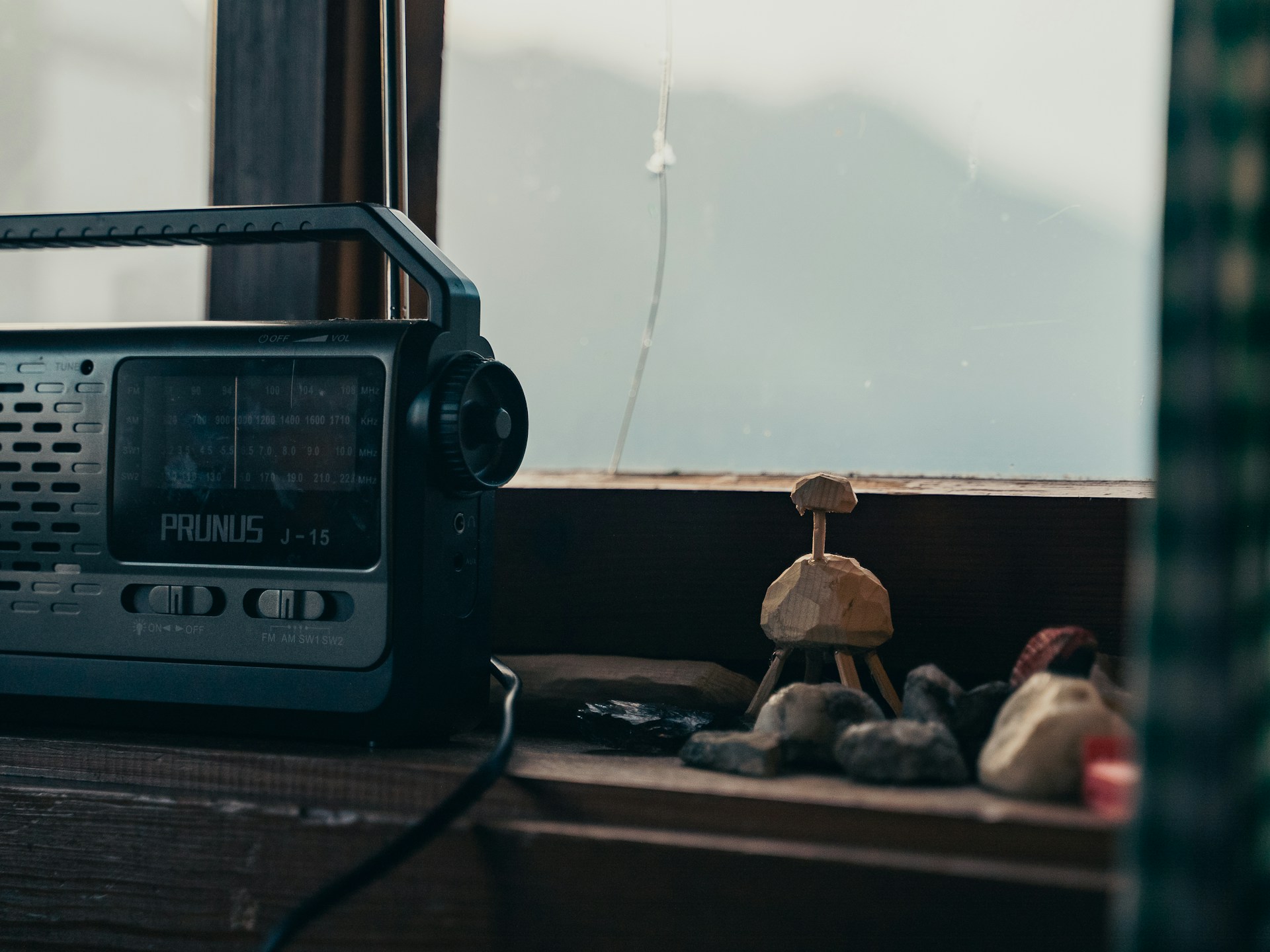
4. A Battery-Powered or Hand-Crank Emergency Radio
Your phone may be your usual source for weather alerts and news, but cell service and internet connections aren’t always reliable during emergencies. A battery-powered or hand-crank radio gives you another way to receive important information.
In the United States, a radio that receives NOAA Weather Radio broadcasts can provide weather warnings and emergency updates. Keep extra batteries available if your radio requires them.
5. A Well-Stocked First Aid Kit
A few bandages in the bathroom cabinet might be enough for everyday scrapes, but an emergency can require more supplies than you normally keep on hand. Stock a first aid kit with bandages, sterile gauze, medical tape, antiseptic wipes, gloves, tweezers, and other basic necessities.
Include any important personal medical supplies and, when possible, an appropriate reserve of prescription medications. Check expiration dates regularly and make sure you know how to use the items you’ve collected.
6. A Portable Phone Charger or Power Bank
Your phone becomes especially important during an emergency because it allows you to contact family members, receive alerts, and access important information. But once the battery runs out, those features won’t help much.
A fully charged power bank can provide several additional hours of use or multiple charges, depending on its capacity and your device. Keep the necessary charging cables with it and recharge the power bank regularly.
7. A Backup Way to Make Water Safe to Drink
Even a carefully planned water supply can run low during an extended emergency. Water treatment supplies, such as an appropriate filter or purification tablets, give you another option if your stored drinking water becomes unavailable.
However, not all filters remove viruses or chemical contaminants, and some water cannot be made safe through simple household treatment. Follow local public health instructions rather than assuming every water source can be safely filtered.
8. Basic Sanitation and Hygiene Supplies
Toilet paper, soap, hand sanitizer, disinfecting supplies, wet wipes, and heavy-duty trash bags might not seem like survival essentials until the water stops running. These everyday items can become especially important during extended outages or disruptions to sanitation services.
Keep a separate supply of the products your household uses most often, including diapers, menstrual products, and other personal necessities. If toilets stop working, follow local guidance for safely managing waste.
9. Important Documents and Emergency Cash
If you need to evacuate unexpectedly, you may not have time to search for insurance policies, identification, medical information, or important contact numbers. Keep copies of essential documents together in a waterproof container and consider maintaining secure digital backups.
It’s also worth keeping a small amount of cash in different denominations. ATMs and credit card terminals may not work during widespread power or network outages.
10. An Emergency Go-Bag for Each Household Member
A stocked pantry helps when you’re staying home, but you also need a plan for situations that require you to leave quickly. Prepare an easy-to-carry bag with water, snacks, medications, a flashlight, basic hygiene products, a change of clothes, and important contact information.
Families with young children may also want extra clothing, comfort items, and age-appropriate supplies. Keep the bags somewhere accessible and update them as your household’s needs change.