Freezing temperatures can cause all sorts of problems around the house, but frozen pipes are one of the last things homeowners want to deal with. A faucet that suddenly stops running might seem like a minor inconvenience, but it could signal a much more expensive plumbing problem.
Frozen pipes don’t always burst, but when they do, the resulting water damage can be extensive. Knowing what to do immediately and how to prevent pipes from freezing in the first place can save homeowners a lot of trouble.
1. Turn off the main water supply if you suspect a pipe has frozen
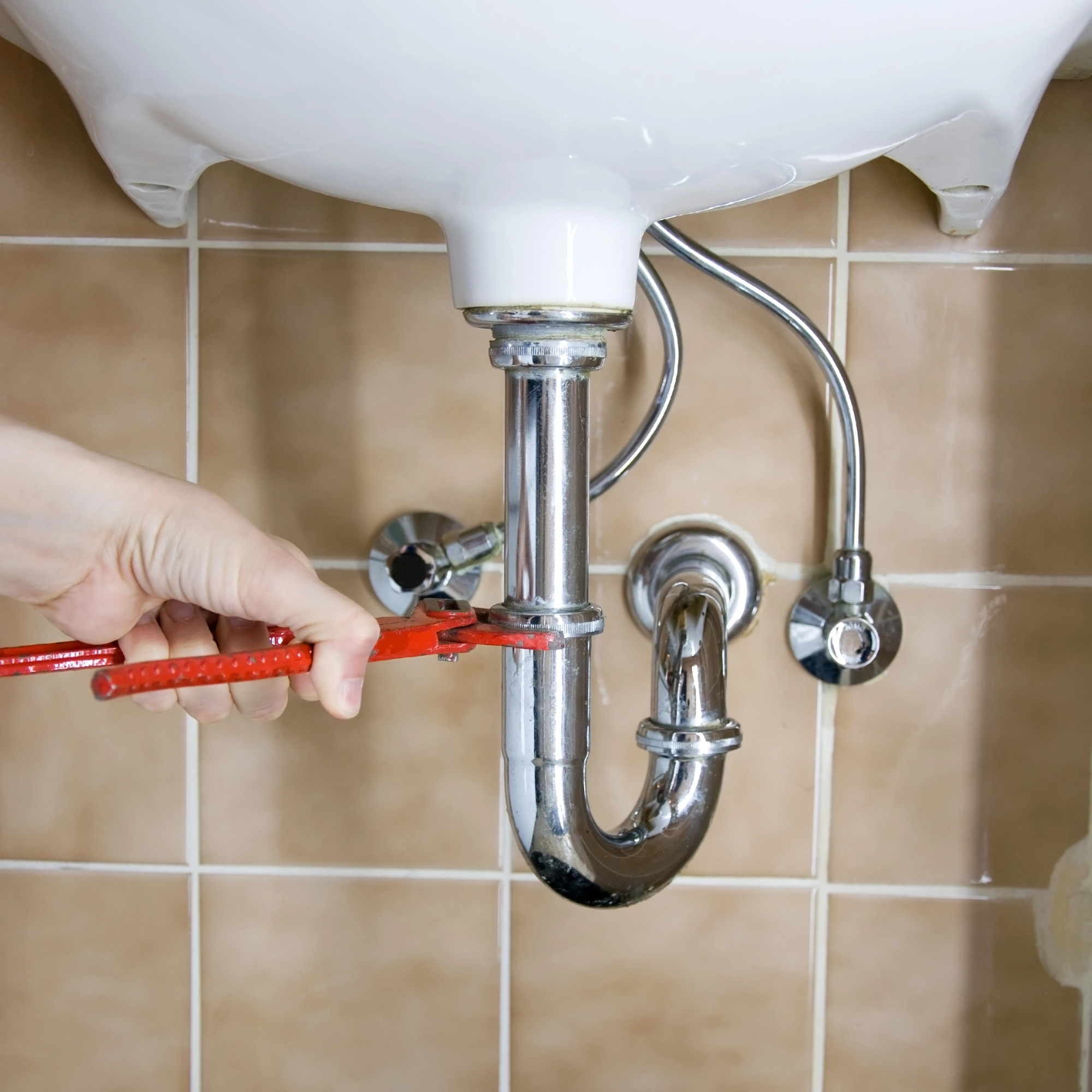
One of the first things homeowners should do when they discover a frozen pipe is to locate their main water shutoff valve. If you suspect damage or cannot safely thaw the pipe, shutting off the water can help prevent flooding when the ice melts.
If you notice a leak or burst pipe, shut off the water immediately. It’s also worth learning where your shutoff valve is before winter arrives so you don’t have to search for it during an emergency.
2. Open the affected faucet before attempting to thaw the pipe
If a faucet suddenly produces only a trickle of water during freezing weather, ice may be blocking the pipe. Keep the affected faucet open while carefully thawing the accessible frozen section so water can begin flowing as the ice melts.
Avoid forcing valves or fittings that may already be damaged. If you’re unsure where the blockage is or whether the pipe has cracked, contact a plumber before proceeding.
3. Use gentle heat to thaw frozen pipes safely
A hair dryer, warm towels, or an electric heating pad can help thaw an accessible frozen pipe. Start near the faucet and work toward the frozen section, allowing the ice to melt gradually.
Never use a blowtorch, propane heater, charcoal burner, or other open flame to thaw plumbing. These methods can damage pipes, ignite nearby materials, and create serious safety hazards.
If the frozen pipe is inside a wall, ceiling, or another inaccessible location, call a professional rather than using excessive heat.
4. Check for leaks as the pipes begin to thaw
One of the biggest concerns with frozen pipes is that damage may not become obvious until the ice melts and water starts flowing again. A frozen blockage may temporarily prevent water from escaping through a crack.
As the pipe thaws, inspect visible plumbing, fittings, and surrounding areas for dripping water, damp spots, or unusual sounds. Denver Water provides additional guidance on safely thawing frozen plumbing and preventing damage.
If you discover a leak, shut off the main water supply and contact a plumber.
5. Keep cabinet doors open to help warm exposed plumbing
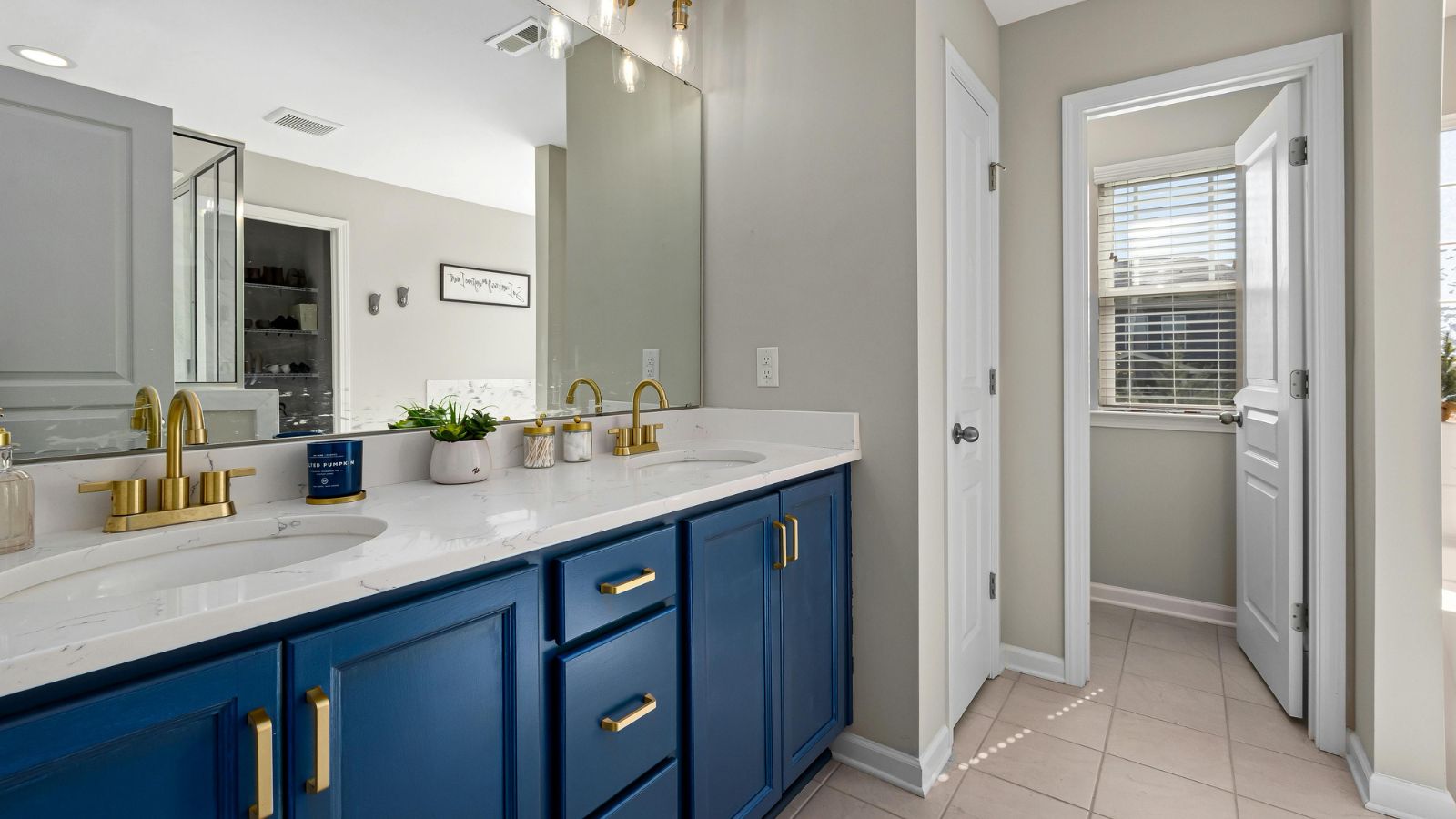
Pipes located beneath kitchen and bathroom sinks can be especially vulnerable when they’re positioned against exterior walls. Opening cabinet doors allows warmer indoor air to circulate around the plumbing.
This simple step can help protect pipes during particularly cold nights, especially in older homes with limited insulation. Keep household cleaners and other hazardous products secured away from children and pets when leaving cabinets open.
6. Let vulnerable faucets drip during extreme cold
Allowing a small amount of water to flow through vulnerable pipes can help reduce the risk of freezing. This is particularly useful for plumbing along exterior walls or in areas that have frozen before.
A slow drip may help, but it doesn’t guarantee that pipes won’t freeze. Follow local utility guidance, particularly during water shortages, and don’t rely on dripping faucets as your only winter protection.
7. Keep your home heated even when you’re away
Turning the thermostat down too far in winter can put your plumbing at risk, especially when temperatures stay below freezing for an extended period. The American Red Cross recommends keeping the thermostat at no lower than 55°F when you’re away during cold weather.
Remember that some parts of a home can be much colder than the thermostat reading suggests. Basements, crawl spaces, garages, and poorly insulated exterior walls may need additional attention.
8. Insulate pipes before freezing temperatures arrive
Exposed pipes in crawl spaces, garages, basements, and other unheated areas are especially vulnerable during winter storms. Adding appropriate pipe insulation can help reduce heat loss and provide some protection against freezing.
Michigan’s emergency preparedness guidance recommends protecting vulnerable plumbing before cold weather arrives. For homes with particularly exposed pipes, properly installed heat cable may offer extra protection, although it won’t work during a power outage unless you have a suitable backup power source.
9. Disconnect garden hoses and protect outdoor faucets
Outdoor faucets and connected garden hoses are easy to overlook when preparing a home for winter. Water trapped inside a hose or exterior plumbing can freeze, expand, and potentially damage the faucet or connected pipes.
Before temperatures drop, disconnect hoses, drain them, and store them away. If your home has an interior shutoff valve for outdoor faucets, close it and drain the exterior line according to the manufacturer’s instructions.
10. Prepare for frozen pipes during a power outage
A winter power outage can create additional problems when your home’s heating system or pipe protection depends on electricity. Without heat, vulnerable plumbing can freeze even if the house was comfortable before the outage.
Know how to shut off and drain your home’s water system if necessary, and keep an emergency water supply available. If you have a generator, operate it outdoors and well away from windows, doors, and vents to prevent carbon monoxide poisoning, as recommended by the CDC’s winter storm safety guidance.
Keeping stored water available for sanitation is also a practical precaution if pipes freeze or water service is interrupted. Store drinking water separately in clean, food-safe containers.