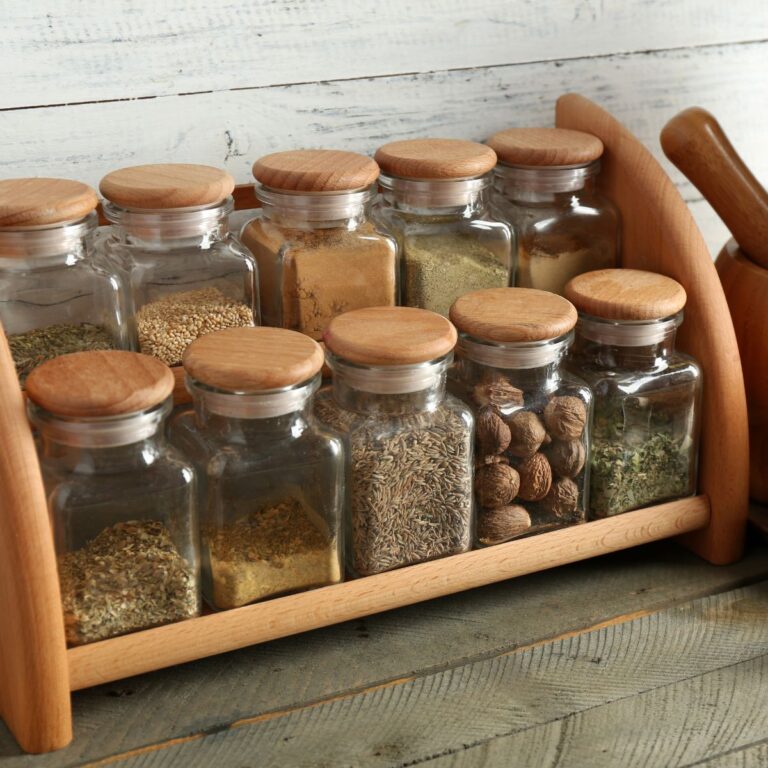
It’s easy to forget about the food sitting in the back of your pantry. You buy a bag of flour for one recipe, open a bottle of cooking oil, or stock up on snacks, only to discover them months or even years later.
While plenty of pantry staples have a long shelf life, they don’t last forever. Some lose their flavor, others develop unpleasant smells, and a few can become unsafe if they’ve been exposed to moisture or stored improperly.
Before your next grocery trip, take a few minutes to check these 12 pantry foods that might have been sitting around longer than they should.
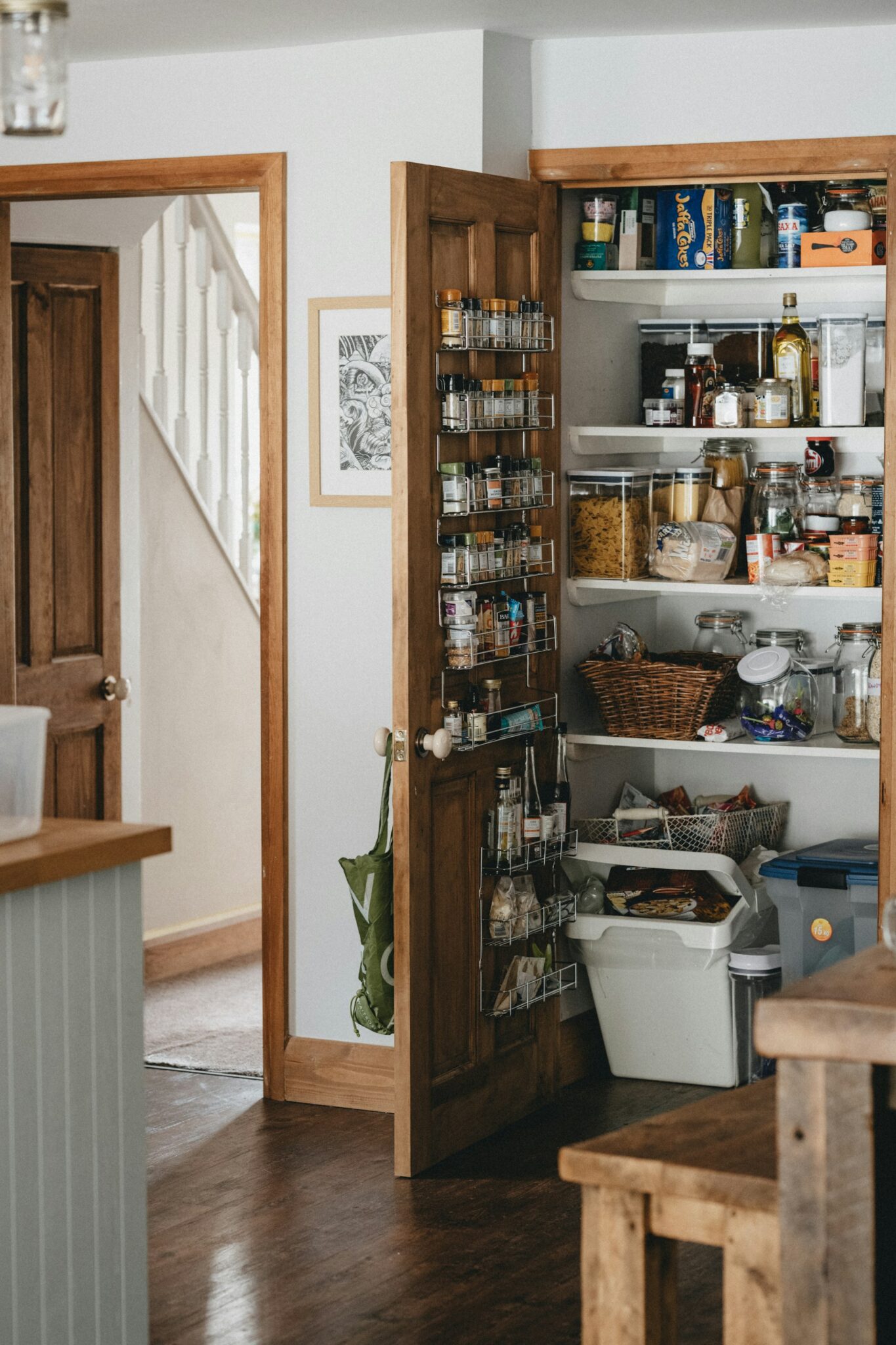
1. Spices That Have Lost Their Smell
That jar of cinnamon or paprika you’ve had for years might not be doing much for your cooking anymore. Ground spices typically lose their flavor after a few years, so if you open the container and can barely smell anything, it’s probably time for a replacement.
Related: 17 Seasonings and Condiments Every Emergency Pantry Should Have
2. Cooking Oil That Smells Strange
Cooking oils can turn rancid over time, especially when they’re stored near the stove or exposed to heat and sunlight. If that bottle of vegetable, canola, or olive oil smells sour, bitter, or noticeably different from when you bought it, toss it rather than risk ruining your next meal.
3. Canned Foods With Bulging or Damaged Containers
Canned foods can last for years, but a damaged container is something you shouldn’t ignore. The USDA advises discarding cans that are bulging, leaking, badly rusted, or deeply dented, particularly around the seams, because the seal may have been compromised.
4. Old Flour That’s Starting to Smell Off
Flour might look perfectly normal even after sitting in your pantry for months, but the natural oils in whole-wheat flour can turn rancid faster than those in refined white flour. If an old bag smells musty, sour, or unusual, or you notice insects or mold, it’s time to throw it away.
5. Baking Powder That No Longer Works
There’s nothing more disappointing than spending time making a cake only to discover your baking powder has lost its strength. Test a small amount in hot water, and if it barely bubbles, replace it before wasting ingredients on baked goods that won’t rise properly.
Related: 15 Survival Tricks Using Baking Soda That Are Surprisingly Useful
6. Maple Syrup With Visible Mold
Real maple syrup can develop mold after opening, particularly if it’s been left in the pantry instead of the refrigerator. Crystals alone aren’t necessarily a problem, but if you notice visible mold or an unusual smell, discard the syrup rather than trying to remove the affected portion.
7. Brown Rice That’s Been Sitting Too Long
Unlike white rice, brown rice contains natural oils that make it more likely to turn rancid during storage. If you’ve had an opened bag sitting in your pantry for a long time, check for an oily or unpleasant smell, insects, or moisture before cooking it.
8. Breadcrumbs That Have Absorbed Moisture
Breadcrumbs and panko can pick up moisture once their packaging has been opened, especially in a humid kitchen. If you notice mold, damp clumps, or an unusual smell, throw away the entire package instead of trying to save the unaffected pieces.
9. Old Condiments That Were Never Refrigerated
Some condiments can stay in the pantry until opened, but others need refrigeration once the seal is broken. If you’ve been keeping an opened sauce or condiment at room temperature despite the label’s instructions, check the manufacturer’s guidance and discard anything that requires refrigeration and has been stored improperly.
10. Powdered Drink Mixes That Have Hardened
Powdered lemonade, instant coffee, and flavored drink mixes can last a long time when stored in sealed containers, but moisture can cause them to clump and lose quality. If the powder has become damp, developed an unusual smell, or shows signs of mold, there’s little reason to keep it.
11. Cereal and Snacks That Have Gone Stale
An opened box of cereal or bag of crackers can sit in the pantry long enough to lose the crunch that made it enjoyable in the first place. Staleness alone doesn’t necessarily make food unsafe, but if it tastes rancid, smells strange, or shows signs of moisture or mold, it’s better to throw it away.
12. Candy That’s Been Exposed to Heat and Moisture
Candy doesn’t always age well, especially when it’s stored in a warm pantry where heat and humidity can change its texture. A white coating on chocolate is often harmless fat or sugar bloom, but candy with mold, an unusual odor, or signs of moisture contamination should go in the trash.