The penny has already reached the end of its production run, and now another familiar coin is getting attention in Washington. This time, it’s the nickel. And while it’s worth just five cents, the government spends roughly 13 cents to make one. That’s a pretty expensive way to produce pocket change.
Lawmakers are now looking at ways to bring those costs down, which could mean changing what nickels are made of. But unlike the penny, the nickel isn’t officially being discontinued.
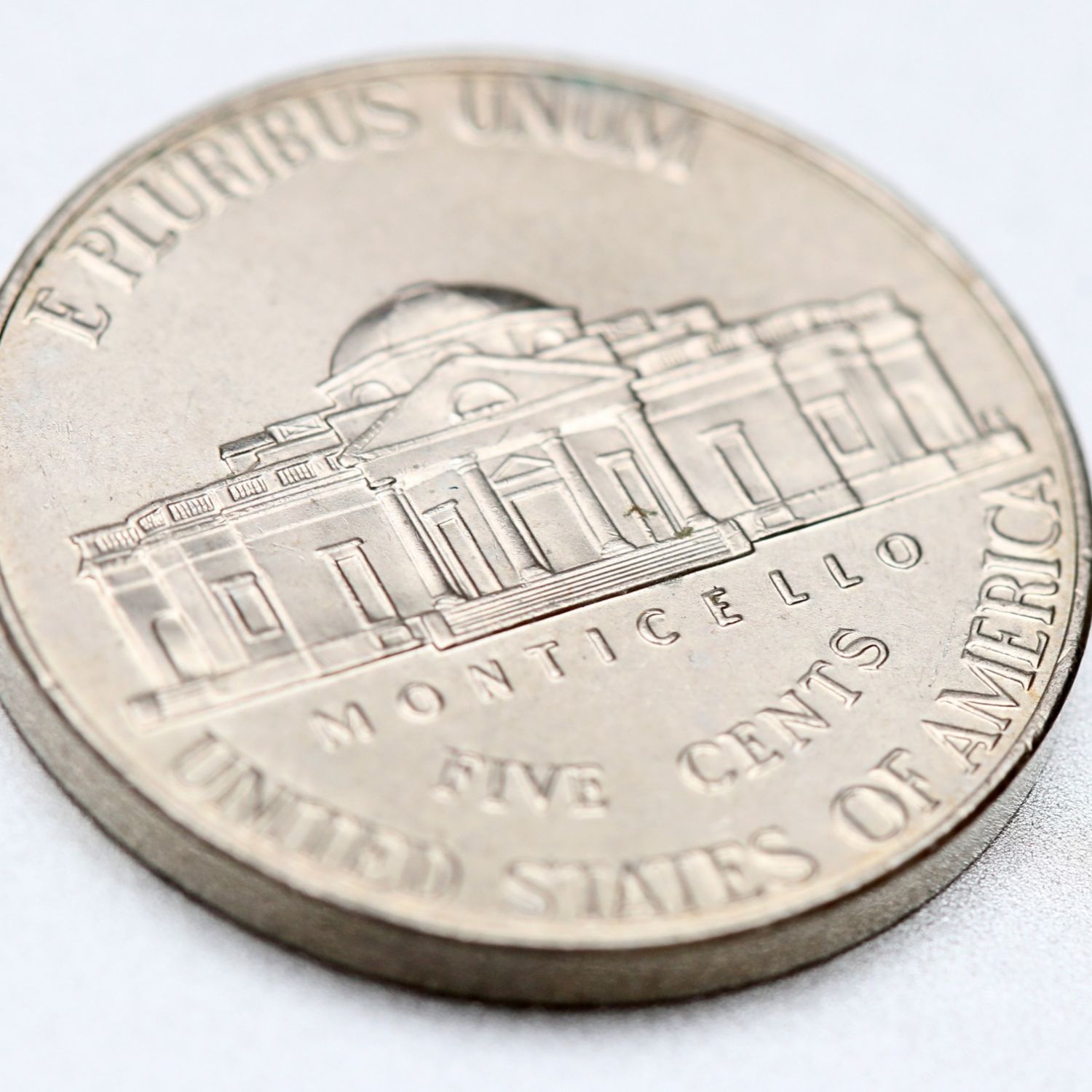
Why the Nickel Is Costing the Government So Much Money
According to Fox News, Congress has been examining the cost of producing nickels following the decision to stop making pennies for general circulation. The problem comes down to the materials and manufacturing expenses.
Today’s nickel is made from 75% copper and 25% nickel. Despite being worth only five cents, each coin costs approximately 13 cents to produce and distribute. That means the government spends about eight cents more than the coin’s face value every time it makes one.
The penny had a similar problem. Before production ended, it cost approximately 3.7 cents to make a coin worth only one cent. With millions of coins produced each year, those additional costs can add up quickly.
Congress Is Considering a Cheaper Way to Make Nickels
Rather than eliminating the nickel entirely, lawmakers are considering changes that could make it less expensive to manufacture. The bipartisan Common Cents Act would give the Treasury Department greater flexibility to explore alternative materials for coin production.
One possibility involves using a zinc center with an outer nickel layer instead of the current copper-heavy mixture. The challenge is finding a cheaper material that still works with equipment Americans already use.
Vending machines, coin counters, and other machines that accept change are designed to recognize certain characteristics of coins. A major change in composition could require adjustments to that equipment. That’s one reason lawmakers are considering how to reduce production expenses without creating additional problems for businesses and consumers.
Related: Pennies are no longer being made. Should you save, spend, or cash in yours?
Does This Mean Nickels Could Disappear?
Not necessarily. Although the nickel is receiving more attention because of its production costs, the current discussion is focused on making the coin cheaper, not removing it from circulation.
If changes are eventually approved, newly manufactured nickels could look and function much like the ones Americans already use, even if they’re made from different materials. Existing nickels would remain valid for everyday purchases.
And if you have a jar full of old nickels at home, there’s no reason to rush out and spend them. In fact, some older nickels have collectible value that goes well beyond their original five-cent denomination.
What This Means for Your Spare Change
For now, there’s no reason to worry about the nickels in your wallet. The government is looking for a less expensive way to manufacture them, and any changes would affect future coin production rather than the value of nickels already in circulation.
The penny’s departure has brought more attention to something most people probably never considered: how much it actually costs to make the coins we use every day. And with a five-cent coin costing roughly 13 cents to produce, it’s easy to see why the nickel is now part of that conversation.