A few years ago, bug-out bags seemed like something you’d only see on survival shows or in disaster movies. With wildfires, hurricanes, floods, and other emergencies forcing people to leave home with little warning, keeping a ready-to-go emergency bag makes practical sense.
A bug-out bag, often called a BOB, is a portable kit with supplies to help you survive about 72 hours away from home. It should cover basic needs: drinking water, food, shelter, first aid, and communication, until you can reach a safe place.
The challenge is packing enough without making the bag too heavy to carry. Most people remember food, water, and a flashlight, but smaller supplies can be just as useful. Before calling your emergency kit complete, check whether you’ve packed these often-forgotten items.
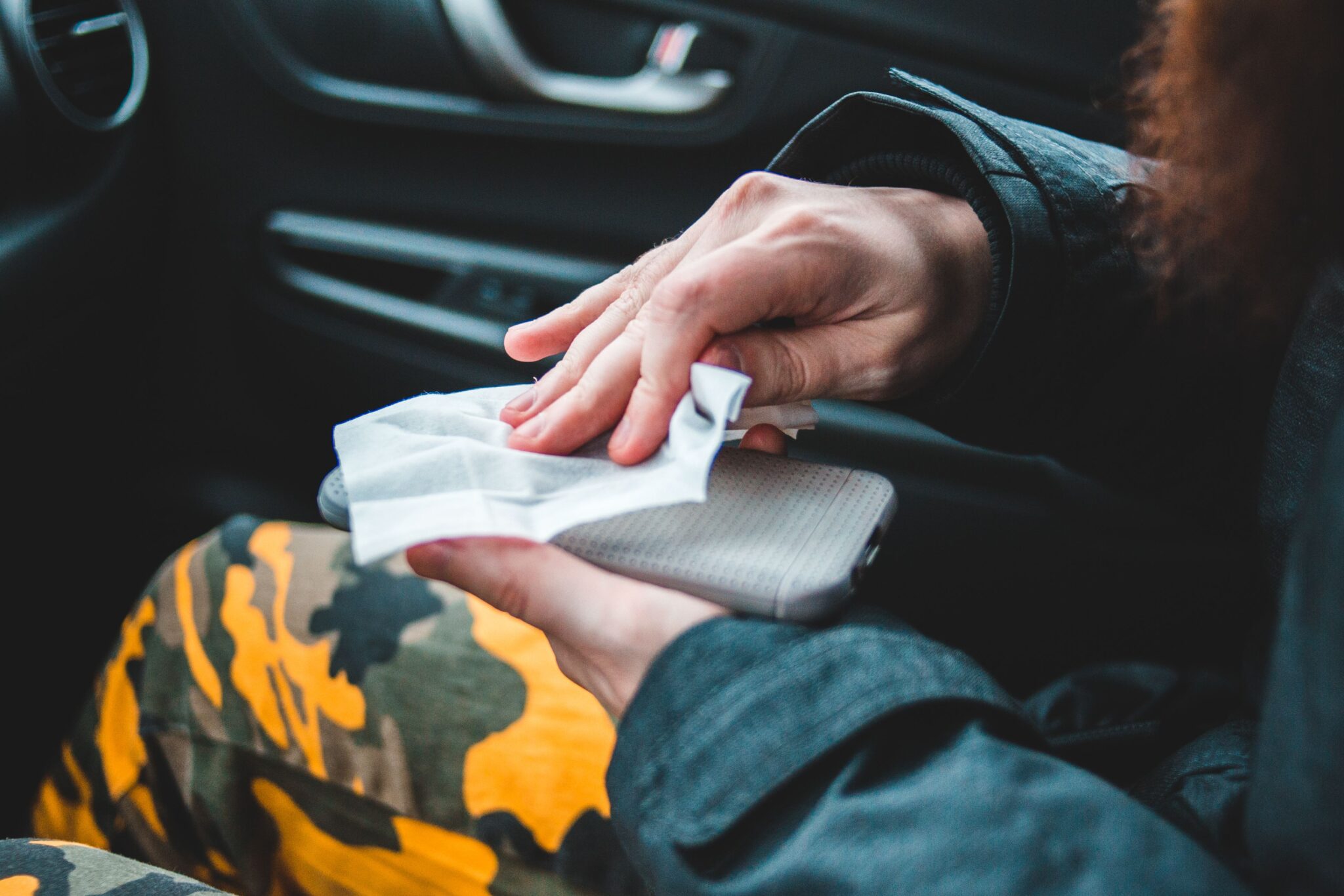
Disposable Wipes
Clean water may be hard to come by during an emergency, making disposable wipes useful for everyday hygiene. They can help clean your hands, remove dirt, wipe surfaces, and keep you feeling fresh when a proper wash isn’t possible.
Biodegradable wipes are a good option if you want to reduce the waste you leave behind. Pack them in a sealed bag so they don’t dry out before you need them.
Related: 14 Unique Survival Hacks That Break All The Rules
Bandanas
A bandana takes up very little room and can serve several purposes in an emergency. You can use one as a head covering, towel, dust protection, bandage wrap, sling, or signal flag.
Pack two or three if you have room. A bandana can also strain larger debris from water, but you still need to treat it before drinking.
Water Filtration System
Water is one of the first things to think about when preparing an emergency bag. Carrying several days’ worth can make your pack heavy, so a portable water filter gives you another way to access drinking water.
Compact filters, collapsible bottles, and hydration bladders take up less room than bulky containers. Also pack water purification tablets as a backup, since different treatment methods target different contaminants.
Non-Perishable Food
Food can add considerable weight to a bug-out bag, so look for items that provide plenty of calories without taking up too much space. Nuts, protein bars, peanut butter packets, dried fruit, crackers, and freeze-dried meals are all practical choices.
Pack enough for at least three days and choose foods that need little or no preparation. A lightweight spoon or reusable utensil is also worth adding.
First Aid Kit
A first aid kit can help you handle minor injuries while you wait for medical assistance or travel to a safer location. Include adhesive bandages, gauze, medical tape, antiseptic wipes, pain relievers, tweezers, and any prescription medication you need.
People who may be far from emergency services can consider adding trauma supplies, such as a pressure dressing or tourniquet. Learn how to use these items before packing them, since the wrong technique can cause further harm.
Multi-Tool or Knife
A multi-tool can replace several separate items without taking up much space. Its features may help you cut materials, open packages, prepare food, make repairs, and handle small mechanical problems.
A quality knife is another useful option for outdoor tasks. Choose tools that suit your needs rather than filling your bag with heavy equipment you may never use.
Fire-Starting Tools
A fire can provide warmth, help cook food, and let you boil water or signal for help. Having more than one way to start one means you’re less likely to be stuck if a lighter stops working.
Pack waterproof matches, a lighter, a ferro rod, and commercial fire starters if space allows. Keep them in a waterproof container so moisture doesn’t leave you without a working option.
Emergency Shelter
You may need to spend time outdoors before reaching a safe location, so your bag should include basic shelter supplies. A lightweight tarp, emergency blanket, bivy sack, or compact rain poncho can offer protection from wind and rain.
A tent or sleeping bag may provide more comfort, but both add weight and take up room. Choose based on your local climate, likely evacuation conditions, and how far you might have to travel.
Extra Clothing
Packing several complete outfits isn’t practical if you need to carry your bag for miles. Focus on lightweight clothing that dries quickly and protects you from changing temperatures.
A spare pair of socks, underwear, a thermal layer, and a waterproof outer layer can make a long evacuation more comfortable. Keep clothing in a sealed bag to protect it from rain and spills.
Flashlights
A dependable flashlight can be useful during a blackout, nighttime evacuation, or when you need to move through an unfamiliar area. LED models are a good choice because they use less energy and often last longer on batteries.
Pack spare batteries or consider a hand-crank or solar-powered light as a backup. Glow sticks can also provide simple temporary lighting without requiring batteries.
Hygiene Supplies
You don’t need to pack your entire bathroom cabinet, but a few personal care items can make a difficult situation easier. Consider a toothbrush, toothpaste, soap, hand sanitizer, tissues, sunscreen, and insect repellent.
Small travel-size containers can save room while giving you what you need for several days. Add any personal hygiene products your household members need.
Related: 22 Hygiene Products People Often Forget to Add to Their Emergency Stockpile
Map and Compass
Phones are useful for directions, but they can lose battery power, break, or lose signal during an emergency. A paper map and compass give you another way to find your route.
Choose maps that cover your local area and any places you may need to evacuate to. Practice reading them and taking compass bearings before an emergency puts you under pressure.
Paracord
Paracord is lightweight, strong, and useful for many outdoor tasks. It can help secure equipment, make temporary repairs, hang supplies, and support a basic shelter.
A 50-foot length can handle many common tasks without taking up much room. Store it neatly so you can pull out the amount you need without dealing with a tangled mess.
Cash
Electronic payment systems and ATMs may stop working during a major emergency. Cash on hand can help you pay for transportation, food, fuel, or supplies when cards aren’t accepted.
Keep a mix of small bills rather than relying on large denominations. Store the money in a waterproof envelope or container inside your bag.
Whistle and Signaling Devices
If you become lost, injured, or separated from your group, being able to signal for help can make a difference. A whistle can be heard from farther away than a person’s voice and takes very little effort to use.
A signal mirror, brightly colored fabric, or reflective emergency blanket can also help rescuers spot you. Keep these items somewhere easy to reach, not buried at the bottom of your bag.
Duct Tape
A small roll of duct tape can help with unexpected repairs. It can patch damaged equipment, secure loose items, cover small holes, and hold torn materials together until you can make a proper repair.
You don’t need to carry a full roll. Wrap some tape around a water bottle, flashlight, or piece of cardboard to save space.
Related: 27 Ways You Can Use Duct Tape in a Survival Situation
Personal Identification and Important Documents
Losing access to identification, insurance details, or medical records during an evacuation can create extra problems. Keep copies of identification, insurance information, emergency contacts, and relevant medical records in a waterproof pouch.
Secure digital copies provide another backup if you lose the paper documents. Protect electronic files with appropriate security, especially if they contain personal information.
Extra Electronics
Your phone can help with maps, emergency alerts, communication, and finding information, but it won’t be much use if the battery dies. A portable power bank and the correct charging cables can help keep your devices running.
Spare batteries, a solar charger, or a hand-crank charger can provide extra options if regular charging isn’t available. Check your equipment periodically so you know it still works.
A good bug-out bag doesn’t need to contain every item you own. It should include practical supplies that match your household’s needs, local risks, and how much weight you can comfortably carry.
Check your bag every few months, replace expired food and medication, and test your equipment. Practicing with your supplies ahead of time can help you avoid discovering a problem when you need them most.
Related: 10 Items Every Homesteader Should Be Thrifting