The cabinet under the kitchen sink often turns into a dumping ground for things we don’t know where else to put. It’s easy to toss in extra supplies and forget about them, but moisture from plumbing leaks, damp conditions, and nearby cleaning products can make this spot a poor choice for many household items.
Clearing out the cabinet frees up space and helps protect your belongings from damage. Here are 12 things that are better stored elsewhere.
1. Pet Supplies
Pet food, treats, toys, and medications may seem handy under the sink, but moisture can damage packaging and affect food quality. Keep these items in a dry cabinet or pantry, and store medications according to their labels.
Related: 15 Things Experienced Gardeners Avoid Planting in Raised Beds
2. Flammable Materials
Lighter fluid, fuel canisters, and other flammable products don’t belong in a kitchen cabinet near household activities and possible ignition sources. Follow each product’s storage instructions and keep it in an approved location away from heat, flames, and, when possible, living areas.
3. Small Appliances
Blenders, toasters, coffee makers, and mixers can suffer damage if stored in a damp cabinet. Keep appliances on a dry shelf or in another cabinet where they’re protected from leaks and moisture.
Related: 10 Things Every Homesteader Should Always Buy at Thrift Stores
4. Harsh Cleaning Chemicals
Store bleach, drain cleaners, and ammonia-based products carefully, especially in homes with children or pets. Keep them in their original containers, follow label directions, and store them in a locked, secure location when possible; never mix cleaning products, since some combinations can release dangerous gases.
Related: 16 Things You Should Never Store in Your Garden Shed
5. Paint
Leftover paint can go bad if it’s exposed to moisture or repeated temperature changes. Store it in a dry place within the temperature range listed on the label, and check local rules for safe disposal of paint you no longer need.
6. Pantry Staples
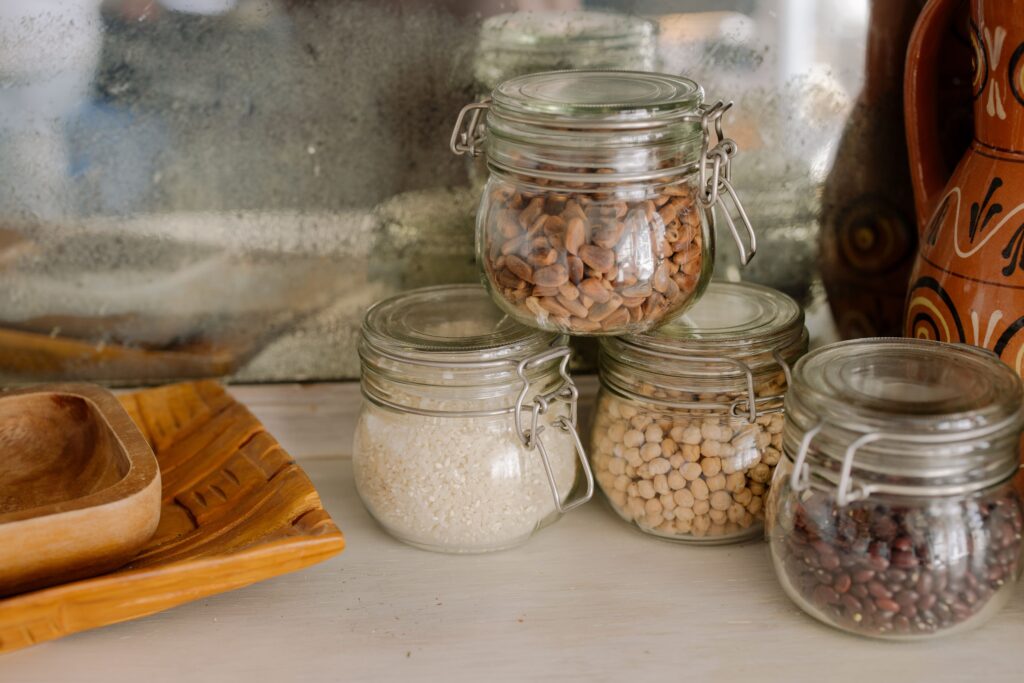
Keep flour, rice, pasta, cereal, crackers, and canned goods away from plumbing that could leak. A dry pantry or kitchen cabinet helps protect food from water damage, pests, and accidental contact with cleaning supplies.
7. Food Items
Leaking pipes, pests, or nearby household chemicals can contaminate snacks, baking ingredients, and other edible goods. Keep food in sealed containers on clean, dry shelves away from cleaning products.
Related: 12 Things Cluttering Your Home That You Can Let Go
8. Insecticides and Pesticides
Bug sprays, ant killers, and garden pesticides can pose a risk if they leak or get into the wrong hands. Store them in their original packaging in a secure location, follow the label instructions, and keep them away from food, children, and pets.
9. Paper Products
Paper towels, napkins, paper plates, and paper bags can quickly become unusable if a pipe drips or the cabinet gets damp. Move them to a dry pantry, linen closet, or another shelf where they’re less likely to get wet.
10. Root Vegetables
Potatoes, onions, and sweet potatoes need suitable storage conditions to stay fresh. A damp cabinet under the sink can encourage spoilage, so store them in a cool, dry, well-ventilated place suited to each vegetable.
11. Cookware
Moisture can damage pots, pans, baking sheets, and cast iron, especially if you put them away before they’re completely dry. Store cookware in a dry cabinet or drawer, and make sure cast iron is clean and thoroughly dried before putting it away.
12. Batteries
Batteries can corrode or leak if they’re stored in poor conditions, so a damp cabinet is a bad choice. Keep them in a cool, dry place, away from metal objects, loose coins, and direct sunlight, and follow the manufacturer’s storage guidance.
Give Your Under-Sink Cabinet a Fresh Start
Reserve the space under your kitchen sink for items that can handle the conditions there, such as suitable cleaning tools or supplies stored in secure containers. Check the cabinet for leaks, remove anything damaged or unsafe, and keep the rest organized so you can find what you need without digging through clutter.