Stocking up on food and water is a common first step for anyone preparing for an emergency, but tools deserve a spot on the list, too. When a storm knocks out electricity, a fence breaks, or something needs fixing around the house, having the right equipment nearby can save you time and frustration.
A good set of tools can help you handle small repairs without waiting for outside help. Whether you’re maintaining your property, preparing for a blackout, or fixing damaged equipment, these 15 tools are worth keeping on hand.
Hammer
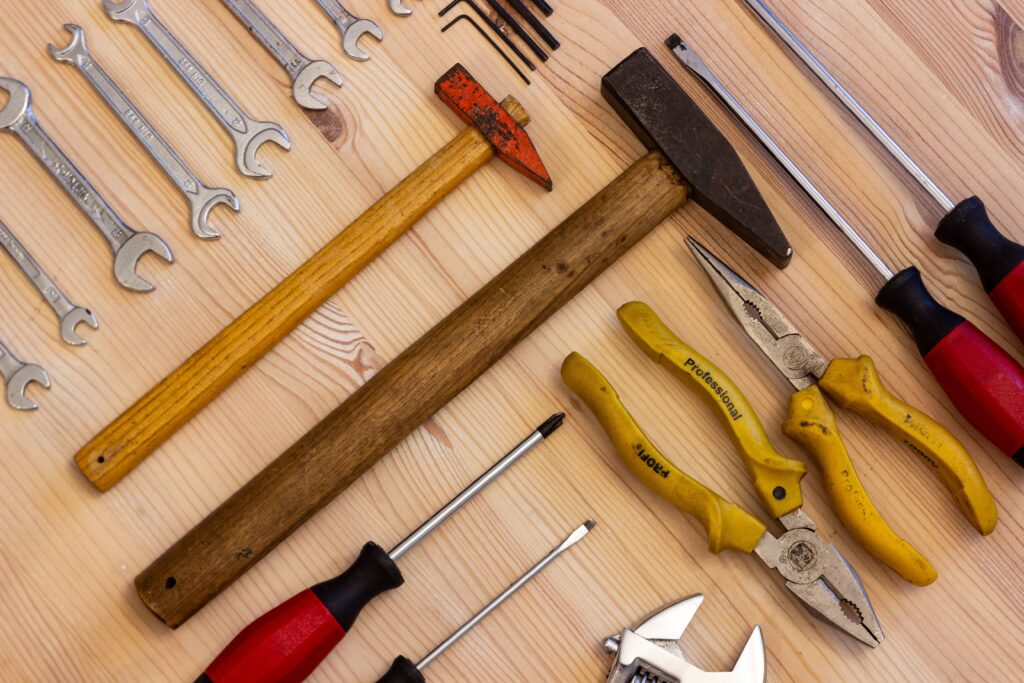
A hammer comes in handy for far more than hanging pictures or driving nails into wood. It can also pull out nails, take apart damaged materials, and help with basic repairs around the house or property.
Related: 14 Emergency Supplies Every Prepared Household Should Have
Multi-Tool
A multi-tool combines several handy items in one compact package, often including pliers, screwdrivers, a knife, scissors, and wire cutters. Keep one in your emergency bag, vehicle, or tool kit for everyday fixes and jobs that call for a few different tools.
Related: 12 Hygiene Supplies That Belong in Every Emergency Stockpile
Adjustable Wrench
An adjustable wrench lets you work with nuts and bolts of different sizes without carrying a full set of wrenches. Having a large wrench and a smaller one gives you more options for plumbing repairs, equipment maintenance, and jobs in cramped spaces.
Related: 20 Survival Basics Everyone Should Practice Before an Emergency
Handsaw or Hacksaw
A handsaw can cut lumber, small branches, and firewood without needing electricity or a charged battery. A hacksaw is better suited to metal pipes, bolts, and certain plastic materials, so keeping both is useful if you expect to handle a range of repairs.
Duct Tape
Duct tape can hold a torn tarp together, secure loose gear, or provide a temporary fix for damaged equipment. Keep a roll in your toolbox and emergency kit, but treat tape repairs as short-term fixes whenever the item needs a proper repair.
Flashlight
A reliable flashlight helps you see during a blackout, inspect a damaged area, or move around safely after dark. Choose an LED model, keep spare batteries nearby, or store a rechargeable flashlight with a backup charging option.
Related Article: 15 Survival Tools Every Prepared Prepper Needs
Zip Ties
Zip ties are inexpensive, lightweight, and useful for many quick repairs around the house or campsite. They can secure loose parts, bundle cords, fasten tarps, and hold damaged straps in place until you can replace or repair them.
Paracord
Paracord is handy for tying down supplies, securing a tarp shelter, hanging equipment, and replacing a damaged length of cord. Keep some in your emergency kit for basic outdoor tasks, but use the right rope or rated hardware for heavy loads or any job where a failure could cause injury.
Nails and Screws
A small supply of nails and screws can help you repair a fence, secure loose boards, or fix a damaged piece of furniture. Store several common sizes in labeled containers so you can find what you need without making an extra trip to the hardware store.
Screwdrivers
A set of screwdrivers makes it easier to handle loose cabinet handles, furniture repairs, and other household jobs. Keep both Phillips and flat-head models in several sizes, and choose sturdy tips that fit the screws you use most often.
Related Article: 13 Kitchen Tools We All Have But Really Don’t Need
Machete and Utility Knife
A machete can help clear thick brush, cut small branches, and prepare a campsite, while a utility knife handles smaller cutting jobs. Keep both sharp, use each for its intended tasks, and store them securely to prevent accidental cuts.
Cordless Drill
A cordless drill makes jobs such as assembling furniture, installing shelves, and repairing a fence much easier. Keep the battery charged and store a spare if your model uses removable batteries, so you have one ready when a repair comes up.
Safety Gear
Gloves, safety glasses, and suitable dust masks help protect you while working on repairs or cleaning up after a storm. Keep them with your tools and use the right protection for the job, especially when cutting materials or working around dust and debris.
Toolbox
A sturdy toolbox keeps your equipment together and makes it easier to find what you need during a repair. Choose one with enough room for your current tools, spare fasteners, and a few useful additions as your collection grows.
Hatchet
A hatchet is useful for chopping small pieces of firewood, splitting kindling, and trimming branches around a campsite or property. Choose one with a secure handle and a protective cover, and store it safely when it isn’t in use.