Keeping shelves stocked with food, water, and emergency supplies is a good start, but having supplies is only part of being prepared. Knowing how to make repairs, grow food, preserve meals, and handle basic problems can help you get by when services or supplies are limited.
Some skills take an afternoon to learn, while others need regular practice before you’re comfortable using them. Starting now gives you time to build that experience instead of trying to learn everything during an emergency.
Basic Plumbing
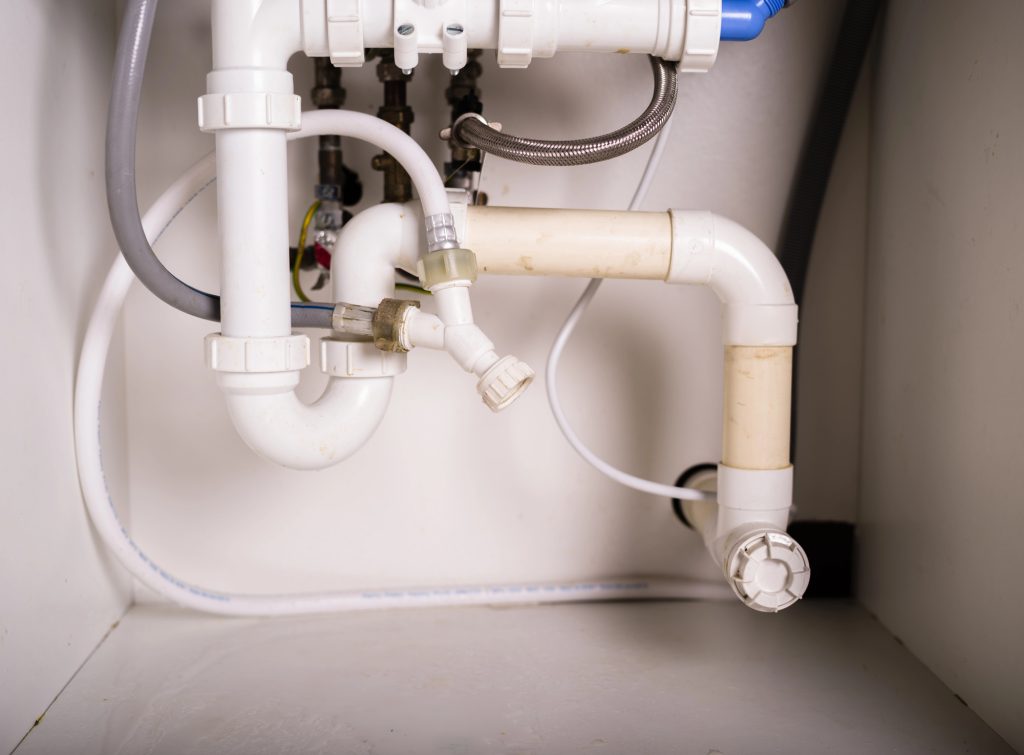
Learn where your home’s main water shutoff is and how to handle common problems such as clogged drains, leaking faucets, and running toilets. Keep a plunger, pipe wrench, plumber’s tape, and other basic tools on hand, and call a licensed plumber for repairs beyond your skill level.
Water Filtration and Purification
Learn how to collect, filter, and disinfect water so you have options if your normal supply becomes unavailable. A homemade filter using sand, gravel, and charcoal may remove visible debris, but it doesn’t reliably make water safe to drink, so learn approved boiling or disinfection methods too.
Fire Starting
Practice using a lighter, waterproof matches, and a fire starter so you’re familiar with more than one way to light a fire. Learn how to gather dry tinder and kindling, and only build fires where conditions and local rules allow it.
Basic First Aid
Take a first-aid course and learn how to clean and cover wounds, care for minor burns, support sprains, and recognize signs of serious injury. Knowing when to call for emergency medical help is just as important as knowing how to handle minor problems yourself.
Food Preservation
Learn safe ways to preserve food, including freezing, dehydrating, and canning with tested instructions for each type of food. Low-acid foods such as vegetables and meat require pressure canning, so don’t substitute a boiling-water method or an untested recipe.
Building a Shelter
Practice setting up a tarp shelter and securing it with rope so you can protect yourself from rain, wind, and cold if you need to spend time outdoors. Learn how to choose a suitable site and insulate yourself from the ground, while avoiding flood-prone areas, falling branches, and other hazards.
Growing Your Own Food
Start learning how to prepare soil, sow seeds, compost, water plants, and manage common garden pests. A small garden or a few containers of herbs and vegetables can teach you what grows well in your area before you rely on a larger harvest.
Tool Maintenance and Repair
Learn how to clean and maintain hand tools, sharpen blades safely, and handle simple repairs such as replacing a worn handle. Keeping your tools in good condition can save money and help you avoid discovering that something is broken when you need it.
Making Soap
Learning to make soap can be useful if you enjoy practical home projects and want to know how basic cleaning products are made. Traditional soapmaking uses lye, which can cause severe burns, so study proper handling, protective equipment, and a tested recipe before attempting it.
Natural Medicine
Learn to identify local plants through reliable field guides and qualified instructors, but never eat or use a plant medicinally unless its identity and safe use are confirmed. Rely on basic first aid and professional medical care for illness and injury, since traditional remedies may be ineffective or harmful.
Butchering and Preserving Meat
If you hunt or raise livestock, learning proper meat handling and basic butchering can help you use the meat you obtain more effectively. Practice clean cutting and temperature control, and use tested methods for smoking, curing, or drying meat rather than assuming these processes alone make it safe for long-term storage.
Making Homemade Candles
Learn to make candles from suitable waxes, wicks, and containers for household use or personal projects. Follow proper wax-heating and fire-safety instructions, and never leave a burning candle unattended or use it in an unsafe setting.
Sewing
Basic sewing skills let you repair torn clothing, damaged backpacks, sleeping bags, and other fabric items rather than replacing them immediately. Keep needles, thread, patches, buttons, and suitable repair materials with your household supplies for quick fixes.
Knots and Rope Work
Learn useful knots such as the bowline, clove hitch, square knot, and taut-line hitch, then practice tying and untying them until you can do so confidently. These knots help secure gear, set up a tarp, and organize camp, but ordinary rope and basic knots shouldn’t be trusted for climbing or other life-supporting tasks.
Fishing
Learn how to choose suitable tackle, tie fishing knots, cast a line, and safely clean your catch. Check local fishing regulations and practice before an emergency, since a successful catch depends on your location, conditions, and experience.
Hunting
Hunting requires training, knowledge of wildlife, patience, and a clear grasp of local laws. Take a hunter education course, practice firearm or bow safety with qualified instruction, and learn ethical hunting and safe game handling before going into the field.
Archery
Archery takes regular practice, proper equipment, and attention to safe shooting habits. Learn at a suitable range with a qualified instructor, use an appropriate backstop, and check your bow and arrows for damage before each session.