Most of us dump our used coffee grounds into the trash as soon as the coffee is brewed. It feels like they’ve done their job, so why keep them around?
But those damp grounds still have plenty of uses. You can add them to your compost, use them for certain cleaning jobs, work them into craft projects, and even put them to use in the garden.
Before you toss your next batch, try one of these 14 ideas.
Add Coffee Grounds to Compost
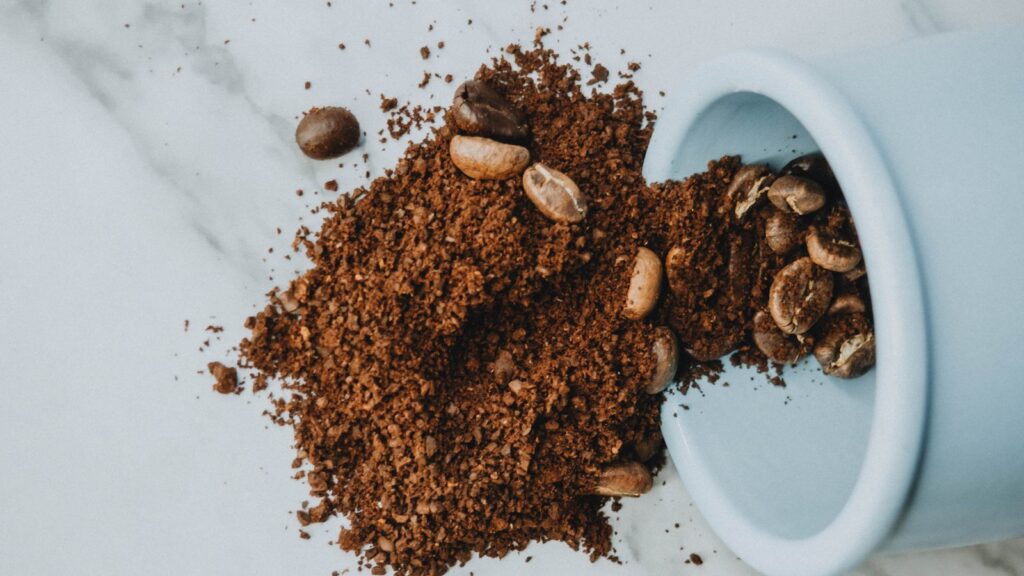
Coffee grounds are a handy addition to a compost pile. They contain nitrogen, which helps balance the carbon-rich materials commonly found in compost, such as dried leaves, paper, and cardboard.
Mix the grounds into your compost rather than adding a thick layer in one spot. Once everything breaks down, you’ll have nutrient-rich compost to use around your plants.
Related: 7 Natural Ways to Add Nitrogen to Your Garden Soil
Make a Body Scrub
Used coffee grounds have a coarse texture that makes them useful as a simple body scrub. Mix them with a little coconut oil or another skin-friendly oil, then gently massage the mixture over your skin.
The grounds can help remove dead skin cells, leaving your skin feeling smoother. Be gentle, since scrubbing too hard can irritate the skin.
Related: Homemade Coffee Scrub with Coconut Oil
Make Homemade Soap
Coffee grounds can also be added to homemade soap for a little extra texture. The grounds provide gentle exfoliation and give a plain bar a rustic look.
If you make soap at home, stir a small amount of completely dry coffee grounds into the mixture before it sets. Keep in mind that coffee grounds can be fairly abrasive, so a little goes a long way.
Add Them to the Garden
Coffee grounds are often used in gardens, but they aren’t a magic fertilizer. They contain organic matter and some nutrients, making them useful as part of a larger soil-care routine.
Mix small amounts of used grounds into compost before adding them to garden beds. Fresh coffee grounds are much more acidic and can be harder on plants, so stick with used grounds for most garden uses.
Neutralize Household Odors
Used coffee grounds can help absorb and reduce some unpleasant smells. Put dry grounds in a small open container and place it in the refrigerator, pantry, or near a trash can.
Let them sit for a few days, then replace them with a fresh batch. Make sure the grounds are completely dry first so you don’t end up with mold.
Deter Ants
Coffee grounds are sometimes used as a natural ant deterrent. Sprinkle a small amount around areas where you’ve noticed ant activity and see if it helps keep them away.
This isn’t a guaranteed solution for an established infestation, but it’s an inexpensive trick worth trying for minor problems.
Related: How to Make a Borax Ant Trap
Help With Fleas on Your Dog
Coffee grounds are sometimes suggested as a natural flea remedy, but they shouldn’t replace a proven flea treatment. Rubbing coffee grounds onto your dog’s coat can also be messy and may irritate the skin.
If you still want to try this idea, talk with your veterinarian first and keep coffee away from your pet’s mouth. Caffeine can be toxic to dogs if swallowed.
Hide Small Scratches on Dark Wood
A small scratch on dark wood furniture can be surprisingly noticeable. Used coffee grounds may help make minor scratches less obvious because their dark color can blend with some wood finishes.
Rub a small amount of damp grounds over the scratch, then wipe the area clean. Test it on an inconspicuous spot first, since the result will vary depending on the wood and finish.
Remove Strong Smells From Your Hands
Garlic, onions, and other strong-smelling foods can leave their scent on your hands long after cooking. Coffee grounds can help scrub away some of that lingering smell.
Rub a small amount of used grounds between your hands, then wash thoroughly with soap and water. Your hands may smell like coffee afterward, but that’s usually an improvement.
Use Them for Scrubbing
The gritty texture of coffee grounds makes them useful for certain heavy-duty cleaning jobs. They can help loosen grime from items such as pots, pans, and other durable surfaces.
Use a small amount with water and scrub gently. Avoid using coffee grounds on delicate surfaces, porous materials, or anything that could be scratched.
Keep Mosquitoes Away
You may have heard that coffee grounds can repel mosquitoes. There is some evidence that coffee compounds can affect mosquitoes, but simply scattering used grounds around your yard isn’t a reliable way to keep them away.
If you’re dealing with mosquitoes outdoors, remove standing water and use proven insect-repellent methods. Coffee grounds can still be composted instead of thrown away.
Make a Natural Dye
Used coffee grounds can give fabric, paper, and other craft materials warm shades of tan and brown. They’re a fun option for simple craft projects where you want an earthy, slightly uneven color.
Simmer the grounds in water, strain the liquid, then use it as a dye bath. The final shade will depend on the material, the amount of coffee used, and how long the item sits in the dye.
Make a Coffee-Scented Candle
Coffee grounds can be used in homemade candles for a rustic look and a subtle coffee theme. Add a small amount of dry grounds to melted wax, taking care to keep them away from the wick.
Use caution with homemade candles. Too many grounds can interfere with how the candle burns, so keep the amount small and test the finished candle before using it for an extended period.
Donate Them to a Community Garden
If you brew more coffee than you can possibly reuse, ask a nearby community garden if they accept used coffee grounds. Some gardens collect them for composting or other soil projects.
You can also check with local composting programs, gardening groups, or neighbors who maintain compost piles. It’s an easy way to keep a daily kitchen leftover out of the trash.
Other Topics You Might Like
- 10 Strange Things That Are Surprisingly Smart to Stockpile
- How to Clean a Wood Cutting Board
- 15 Safe Ways to Clean a Cast Iron Skillet Without Ruining the Seasoning
- 12 Things Professional Organizers Would Never Store Under the Kitchen Sink
- 12 Small Habits That Make a Big Difference in Keeping Your Home Clean