If you’re thinking about buying a home or moving to a new area, it’s worth looking beyond the present and considering what life might look like during a serious emergency. Natural disasters, major disruptions, or large-scale events can change the way people depend on their surroundings.
In the prepping community, these situations are often called SHTF scenarios. While nobody can predict exactly what will happen, choosing a location with access to resources, fewer risks, and a supportive community can make a difference.
There is no perfect place that guarantees safety. Every location has its own challenges. Still, if you have the ability to choose where you live, these types of places may offer advantages during difficult times.
1. Rural Areas
Living far from crowded cities can provide more privacy, space, and access to natural resources. Rural properties may offer room for gardens, livestock, wells, and other resources that can help people become more self-reliant.
Related: 14 Unique Survival Hacks That Break All The Rules
2. Small Towns
Small communities often have strong relationships between neighbors. People are more likely to know each other, share information, and work together during emergencies. A community where residents look out for one another can be a valuable resource during hard times.
3. Mountain Regions
Mountain areas can offer natural barriers, cleaner water sources, and access to wildlife. Their distance from major cities may reduce some of the problems that come with crowded areas during a crisis. Living in the mountains also requires preparation for difficult terrain and changing weather.
Related: 20 Everyday Survival Skills That Become Valuable During Food Shortages
4. Remote Islands
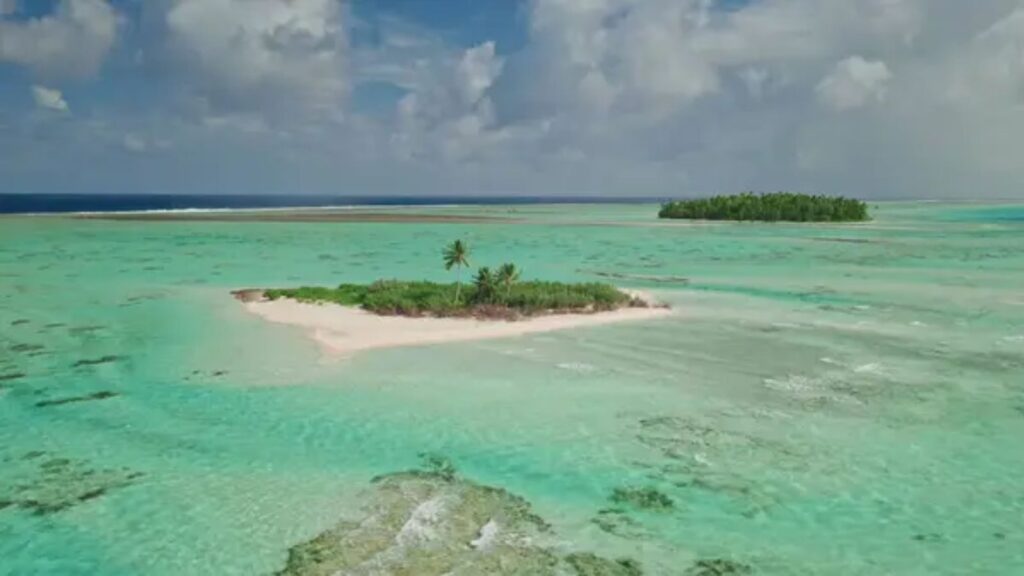
Remote islands with reliable food and water sources can provide separation from larger population centers. Some island communities already have experience relying on local resources, fishing, farming, and limited outside supplies.
5. Off-Grid Cabins
A cabin away from heavily populated areas can provide a quieter way of life with more independence. Properties with solar power, wells, wood heat, and food-growing space can be useful during extended outages or supply shortages.
6. National Parks or Forest Areas
Forested regions can provide access to water, wood, and natural materials. Still, living in these areas requires strong outdoor skills, knowledge of the land, and preparation for isolation.
Related: 15 Survival Tricks Using Baking Soda That Are Surprisingly Useful
7. Farming Areas
Agricultural regions have an advantage because food production is already part of daily life. Farms can provide access to crops, livestock, equipment, and land for growing food.
8. Areas With Low Population Density
Places with fewer residents may experience less pressure on supplies during emergencies. Fewer people competing for food, water, fuel, and other necessities can make resource shortages easier to manage.
9. Cold Climate Regions
Cold environments naturally limit population growth in some areas and may slow the spread of certain illnesses. At the same time, surviving in colder climates requires preparation, proper shelter, warm clothing, and knowledge of handling extreme weather.
Related: 14 Survival Skills You Can Master Without Leaving Your Couch
10. High Altitude Locations
Higher elevations can reduce the risk of flooding, tsunamis, and some coastal disasters. These areas are often harder to reach, which may keep them less crowded during widespread emergencies.
11. Underground Shelters
Bunkers and underground shelters can offer protection from storms, conflicts, and other dangers for a limited period. They work best as part of a larger survival plan since long-term living underground creates its own challenges.
12. Areas Near Freshwater Sources
Access to clean water is one of the most important factors for long-term survival. Homes near lakes, rivers, or natural springs may provide water for drinking, gardening, and caring for animals, though water quality and local regulations must be considered.
13. Homesteads
A self-sufficient homestead with gardens, renewable energy, water storage, and food preservation methods can provide a strong foundation for long-term living. These properties allow people to produce many of their own necessities.
14. Deserted Islands
A deserted island offers extreme isolation and distance from crowded areas. While difficult to reach and maintain, an island with the right climate, resources, and preparation could provide a remote place to live during a major crisis.
15. Well-Defended Communities
Some survival-minded groups choose to live in communities built around shared skills and resources. These communities may focus on food production, security plans, emergency supplies, and cooperation among residents.
The best place to live during a major crisis depends on many factors, including climate, personal skills, available resources, and the ability to work with others. A location alone cannot guarantee safety, but choosing a place with water, food sources, space, and a reliable community can put you in a better position if difficult times arrive.