Almost every home has a junk drawer. It’s where spare keys, loose batteries, random pens, and all those little things nobody knows where to put tend to end up.
The junk drawer is great for odds and ends, but it can quickly get out of hand. If yours is packed so tightly that you have to dig around just to find a pen, it may be time to move a few things elsewhere.
Here are 12 common items that deserve a better spot around the house.
1. Keys Without a Home
Most people have at least one mystery key tucked away in a drawer. You have no idea what it opens, but you keep it because throwing it away feels risky.
If you’ve checked around the house and still can’t identify it, it’s probably time to let it go. Keep the keys you actually need on a hook, key rack, or small tray near the door.
2. Scraps of Paper
Receipts, old shopping lists, phone numbers, and handwritten reminders can pile up quickly in a junk drawer. Before long, you end up with a stack of paper that makes it harder to find what you need.
Keep papers with information you still need and recycle the rest. If a note contains something worth saving, add it to your phone or a proper filing spot.
3. Pens
Junk drawers often end up filled with pens that barely work. You might find dried-out markers, promotional pens, and several others that skip every time you try to write with them.
Test each one and keep the pens that still work properly. A few reliable ones are usually enough for everyday use.
4. Coupons
Coupons are easy to forget about once they’re buried under other things in a drawer. By the time you find them again, they may have already expired.
Keep current coupons in your wallet or a small holder near your shopping list. Throw away expired ones so they don’t take up space.
Related: 10 Strange Things That Are Surprisingly Smart to Stockpile
5. Rubber Bands
Keeping a few rubber bands around is handy for bundling papers, securing food packaging, and other small jobs. The trouble starts when you have so many that they tangle with everything else in the drawer.
Get rid of the extras you won’t realistically use and declutter the pile. Put the ones you’re keeping in a small container so they stay together.
6. Miscellaneous Screws
A spare screw might come in handy someday, but tossing loose hardware into a junk drawer makes it easy to lose track of what you have. The same goes for nails, washers, and other small repair parts.
Move these items into a toolbox or divided hardware organizer. If you know which project or piece of furniture a screw belongs to, label its container so you can find it later.
7. Condiment Packets
Takeout orders often come with more ketchup, mustard, mayonnaise, and soy sauce packets than anyone needs. Before long, they end up scattered among the other junk drawer contents.
Put the packets you’re keeping in a small basket or container near your regular condiments. Check their dates and discard any that are past their recommended storage period or show signs of damage.
8. Takeout Menus
Old paper menus can take up space long after you’ve stopped ordering from those restaurants. Most places now have their menus available online, making those folded sheets less useful.
Recycle the ones you no longer need and save your favorite restaurants on your phone. You’ll have the information handy without keeping a stack of paper in the kitchen.
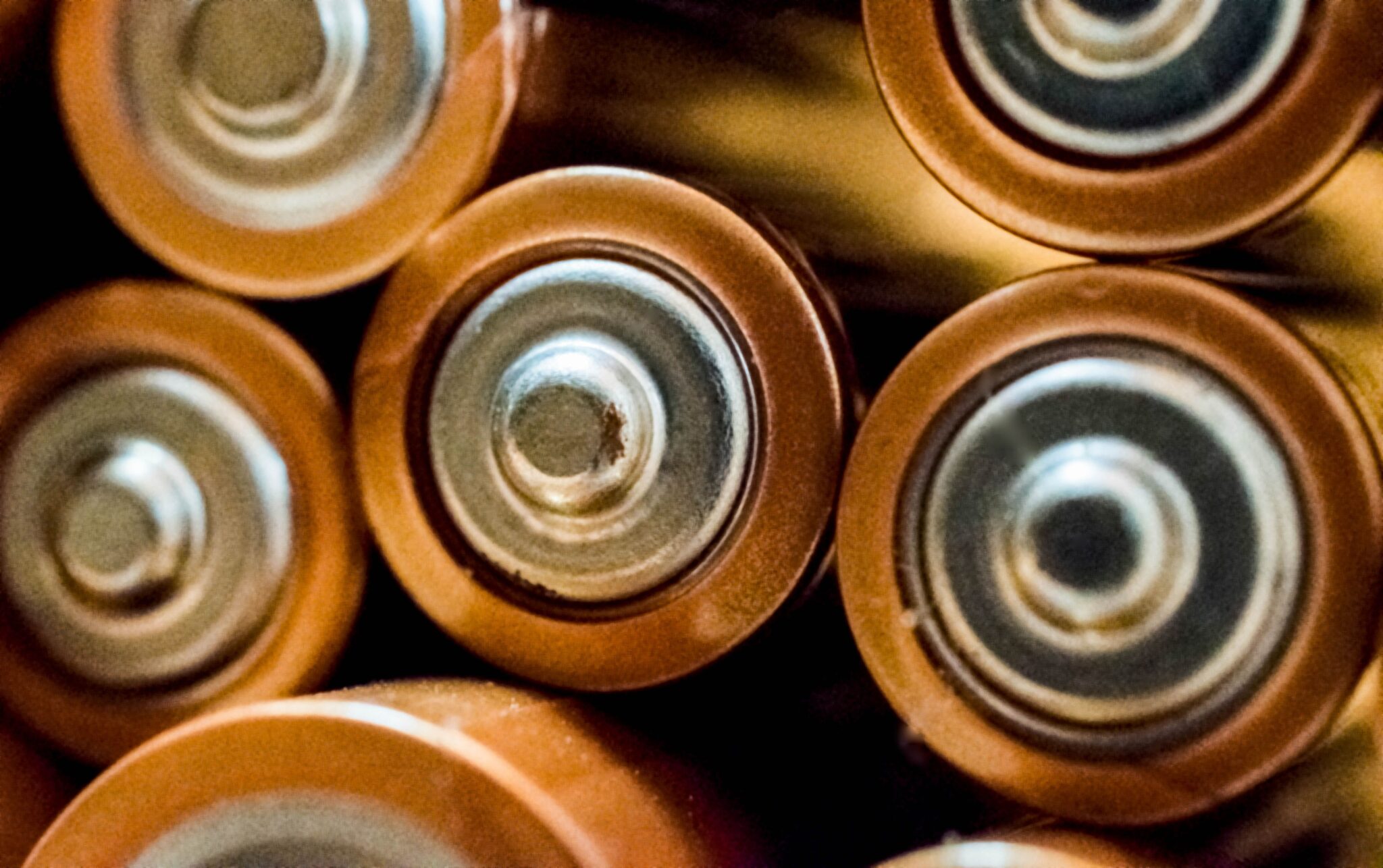
9. Old Batteries
Loose batteries can be a safety concern if their terminals touch metal objects or other batteries. Older batteries can also leak and damage nearby items.
Keep batteries in their original packaging or a dedicated battery organizer, away from loose metal objects. Check them occasionally and take damaged or leaking batteries to an appropriate disposal location based on local rules.
10. Coins
Loose change has a way of collecting in junk drawers until it becomes a small pile. It can also get mixed in with keys, paper clips, and other things you might be looking for.
Move your coins to a coin jar or another container kept in one place. Once you’ve collected enough, use them for purchases, deposit them at your bank, or exchange them.
11. Broken Items
The junk drawer often becomes a temporary home for things that need fixing. A broken zipper, missing button, cracked gadget, or damaged kitchen tool can sit there for months without anyone doing anything.
Take out anything you’ve been meaning to repair and decide whether it’s worth keeping. Fix the items you still need and get rid of the rest instead of letting them take up drawer space.
12. Random Items You Don’t Use
This is probably the biggest reason junk drawers get overcrowded. If you haven’t used something in months and can’t think of a good reason to keep it, it may not belong there.
Give useful belongings a proper storage spot, donate items someone else could use, and discard anything that’s no longer useful. Your junk drawer should hold small things you actually reach for, not everything you can’t find another place for.