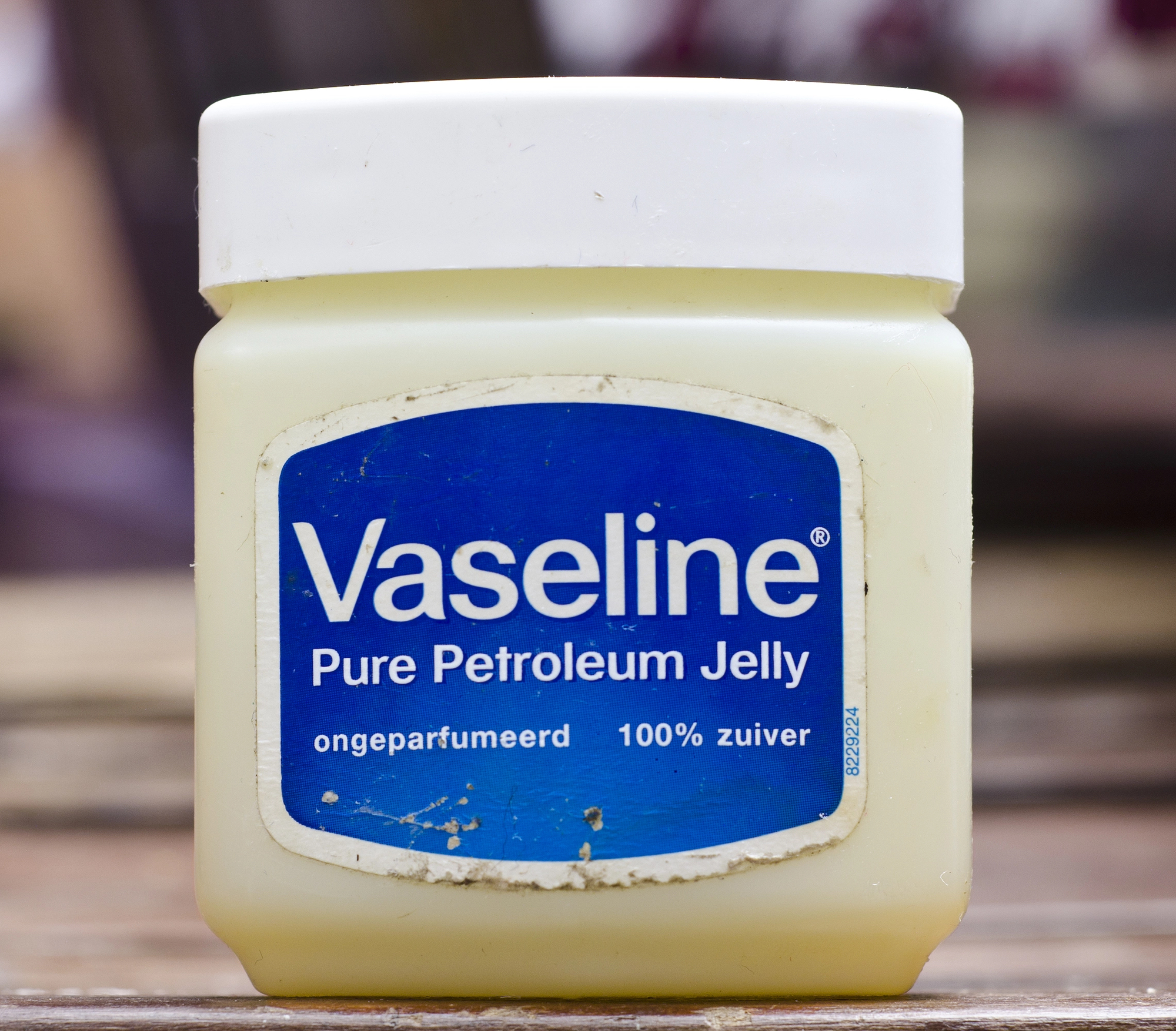
Grandma always seemed to have a jar of petroleum jelly, and it wasn’t just for dry skin or chapped lips. She knew that this inexpensive household staple could come in handy for all sorts of everyday problems, from stubborn zippers to squeaky hinges.
As it turns out, Grandma was onto something. Here are 16 clever ways to use petroleum jelly around the house that go well beyond your usual skincare routine.
1. Protect Minor Cuts and Scrapes
Vaseline can help keep small cuts and scrapes from drying out while they heal. After washing the area with soap and water, apply a thin layer of plain petroleum jelly and cover it with a clean bandage.
Change the bandage daily or whenever it gets dirty or wet. This works for minor wounds, but deeper cuts, signs of infection, and serious injuries need medical attention.
2. Soothe Itchy Bug Bites
Bug bites can leave behind itchy, irritated spots that are hard to leave alone. A little Vaseline on clean, unbroken skin can create a protective layer and help reduce irritation from friction and scratching.
Apply a small amount to the affected area and avoid scratching the bite. Petroleum jelly won’t stop the body’s reaction to insect saliva, so use an appropriate anti-itch treatment if the discomfort continues.
3. Protect Your Lips From Dryness
Cold weather, wind, and dry indoor air can leave lips cracked and uncomfortable. Vaseline works as a simple lip protectant by forming a barrier that helps keep moisture from escaping.
Keep a small container in your purse, car emergency kit, or backpack. It’s especially handy during outdoor activities when your lips are exposed to wind and cold.
4. Help Prevent Diaper Rash
Petroleum jelly is a common item in many diaper-changing supplies because it creates a barrier between a baby’s skin and moisture. Applying a thin layer to clean, dry skin can help reduce irritation from wet diapers.
Use it during diaper changes, particularly before longer stretches between changes. If a rash becomes severe, spreads, or doesn’t improve, contact your child’s pediatrician.
5. Give Leather Shoes a Quick Shine
Leather shoes can start looking dull after regular wear, and a tiny amount of Vaseline may help improve their appearance. Put a little petroleum jelly on a soft cloth and gently rub it over the leather.
Buff away any leftover product with a clean cloth so the surface doesn’t feel greasy. Test it on a hidden spot first, because some leather finishes can discolor or get damaged.
6. Loosen a Stuck Zipper
A zipper that won’t move can be a problem with jackets, bags, tents, and sleeping bags. Instead of pulling harder, rub a tiny amount of Vaseline along the zipper teeth to help reduce friction.
Move the zipper back and forth gently until it starts sliding more easily. Wipe away any excess petroleum jelly to prevent it from attracting dirt.
7. Quiet Squeaky Hinges
A squeaky door hinge can get annoying, especially in a frequently used room. A small dab of Vaseline on the metal hinge may help reduce friction and quiet the noise.
Move the door back and forth to distribute the lubricant, then wipe away any excess. For hinges that need regular lubrication, a suitable household lubricant may last longer.
8. Make Minor Furniture Scratches Less Noticeable
Small scratches can make wood furniture look worn, particularly on darker finishes. Vaseline may temporarily make some shallow surface marks less noticeable by filling the area with a little moisture and oil.
Rub a tiny amount over the scratch, let it sit briefly, and wipe away the excess with a soft cloth. Test it on an inconspicuous spot first, since petroleum jelly can affect certain wood finishes.
9. Help With White Water Rings on Wood
A cold glass left on a wooden table can leave behind a cloudy white ring. Vaseline is sometimes used as a home remedy for these marks because its oily texture may help with certain surface-level moisture marks.
Apply a thin layer over the affected area, leave it for about 30 minutes, and wipe it away with a clean cloth. Test the finish first, since this trick won’t work on every type of wood or water mark.
10. Remove Sticky Labels and Sticker Residue
Removing a price tag or old sticker can leave behind a stubborn layer of adhesive. Vaseline can help soften some sticky residue, making it easier to wipe away.
Spread a thin layer over the adhesive and let it sit for several minutes before gently scraping with a plastic scraper. Wipe the area clean afterward, and first check that the surface can tolerate oil-based products.
Related: How to Get Stickers Off Glass: 15 Easy Methods
11. Protect Chickens’ Combs and Feet in Cold Weather
Backyard chickens can develop frostbite during very cold weather, particularly on exposed areas such as their combs and wattles. Some chicken keepers apply a thin layer of petroleum jelly to exposed skin as extra protection.
Use it sparingly on clean, dry skin, but don’t rely on Vaseline to prevent frostbite. A dry, draft-protected coop, clean bedding, and proper ventilation matter more during freezing weather.
12. Remove Makeup
Vaseline can help loosen certain types of makeup, including waterproof mascara and long-wearing products. Apply a small amount with clean fingers or a cotton pad, then gently wipe the makeup away.
Be careful around your eyes and avoid getting petroleum jelly inside them. Wash your face afterward, particularly if you’re prone to clogged pores or breakouts.
13. Protect Metal Tools From Moisture
Metal tools stored in sheds, garages, and workshops can develop rust when exposed to moisture. A thin coating of petroleum jelly can create a barrier that helps protect suitable metal surfaces.
Clean and dry the tool before applying a very thin layer. Avoid using Vaseline on cutting edges, surfaces that touch food, or equipment where lubricant could interfere with normal operation.
14. Moisturize Dry, Cracked Skin
Dry hands, rough elbows, and cracked heels can become uncomfortable, especially during colder months. Vaseline helps lock in moisture by forming a protective layer.
For better results, apply a thin coating after bathing or washing your hands while your skin is still slightly damp. You can also apply it to your heels before bed and wear clean cotton socks overnight.
15. Help Lubricate Certain Bicycle Parts
If you’re out of your usual supplies, Vaseline may work as a temporary lubricant for some bicycle components. A tiny amount can help with certain stiff metal parts where friction is causing a problem.
It’s not a good replacement for bicycle chain lubricant because petroleum jelly can collect dust and dirt. Use a lubricant made for bicycle chains for regular maintenance.
16. Prevent Skin Chafing
Long walks, outdoor chores, exercise, and hot weather can all cause uncomfortable skin friction. Applying a thin layer of Vaseline to areas that rub together can help reduce chafing.
Common spots include the inner thighs, underarms, and areas where clothing rubs against the skin. Apply it to clean, dry skin before heading outside or starting an activity.