You probably have a recycling routine at home: paper goes in one bin, plastic containers go in another, and everything else ends up in the trash. Some items are harder to sort because they need to go to a collection site or be sent through a separate recycling program.
Before throwing these things away, take a minute to check your options. You might be able to donate them, recycle them, or find another use around the house.
Old Athletic Shoes
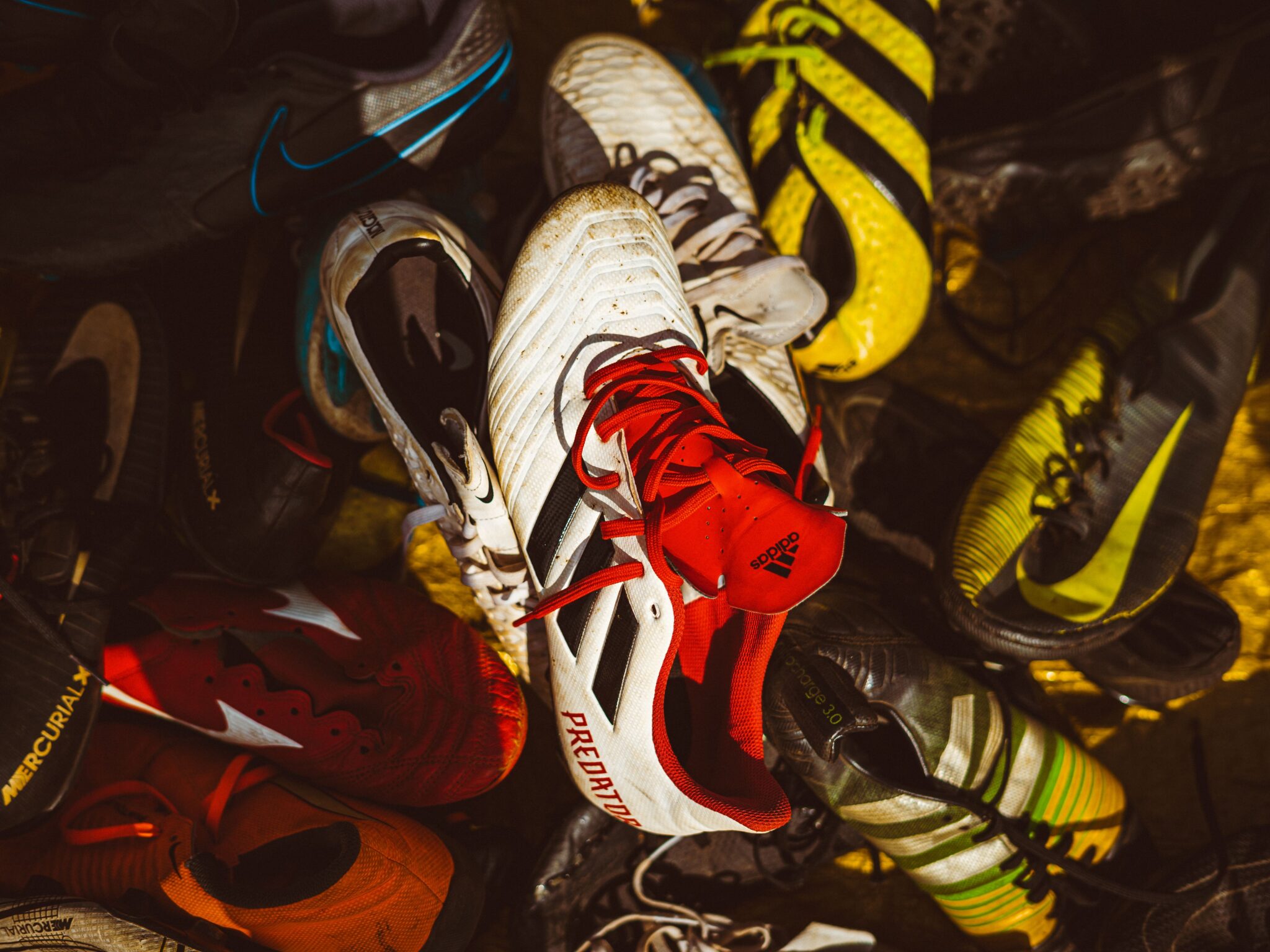
Old athletic shoes may be too worn out to donate, but that doesn’t mean they have to end up in the garbage. Nike’s Reuse-A-Shoe program accepts athletic shoes from various brands at participating locations and turns them into materials for sports surfaces, playgrounds, and other products.
Coffee Pods
Coffee pods can be difficult to recycle because they often contain a mix of materials, including plastic, aluminum, and coffee grounds. Depending on the brand and your local recycling rules, you may need to separate the different parts before putting them in the appropriate bin.
Batteries
Batteries often require a separate collection point rather than a spot in your household recycling bin or trash can. Some contain materials that need careful handling, and damaged batteries can create a fire hazard.
Look for a nearby battery drop-off site or mail-in service before getting rid of them. Earth911 has a search tool for local recycling options, while Call2Recycle lists collection locations for many common household batteries.
Check the instructions for your battery type before dropping it off.
Books
If you have books you no longer read, see if someone else could enjoy them before sending them to the trash. Libraries, schools, thrift stores, charities, and community groups may accept books that are still in good condition.
You could also sell used books online and make a little money from your old collection. Books with too much damage for donation may be accepted by local paper recycling programs, so check the rules in your area.
Plastic Bags
Plastic grocery bags usually can’t go in curbside recycling bins because they can get tangled in the sorting equipment at recycling facilities. If you only have a few, reuse them as small trash-can liners, pet cleanup bags, or packing material.
For a large stash, check whether a nearby grocery store or retailer has a collection bin for plastic bags and other film packaging. The Plastic Film Recycling directory and How2Recycle can help you find participating drop-off locations.
Toothbrushes
An old toothbrush may have another use before it reaches the trash, but recycling options depend on the manufacturer and your location. Colgate has partnered with TerraCycle on a program that collects certain oral care products for recycling.
Check the current program rules to see which items are accepted and where you can drop them off. If your toothbrush can’t be recycled, keep it for small cleaning jobs such as scrubbing grout, reaching tight corners, or cleaning shoes; this guide can help with cleaning grout.
Crayons
Have a box of broken crayons left over from your kids’ art projects? Programs such as Crazy Crayon collect unwanted crayons and turn them into new ones instead of sending them to the landfill.
Check the program’s latest mailing instructions before packing up your crayons. You can also melt old crayons at home and pour the wax into silicone molds to make new shapes for a simple craft project.
Ink Cartridges
Empty printer cartridges are easy to toss in the trash, but many office supply stores have recycling programs for them. Some stores may limit how many cartridges you can return or offer rewards only for certain types.
Check with your local store before making a trip so you know which brands and cartridge types it accepts.
Fluorescent Light Bulbs
Fluorescent bulbs contain a small amount of mercury, so they need to be handled with care. The U.S. Environmental Protection Agency recommends checking with local waste programs for safe disposal instructions.
Many communities have collection sites that accept fluorescent bulbs and handle their glass, metal, and other materials properly. Keep old bulbs intact until you can take them to an approved drop-off location, and don’t put them in your regular recycling bin unless your local program specifically allows it.
Old Clothes
Clothes don’t have to go in the trash just because you no longer wear them. Clean items in good condition can be donated or sold, while textile recycling programs may accept pieces that are too worn or damaged for someone else to use.
Check local collection options before putting old clothes in a garbage bag. A shirt with a torn sleeve or jeans with a stubborn stain may still be accepted for textile recycling or repurposed into cleaning rags.