Canned foods are some of the longest-lasting items in your pantry, but they aren’t completely immune to spoilage. Even foods that can last for years can become unsafe when containers are damaged, seals fail, or they’re stored improperly.
An old best-by date doesn’t automatically mean you need to throw something away. However, there are certain warning signs worth checking before opening that forgotten can of beans, soup, or vegetables.
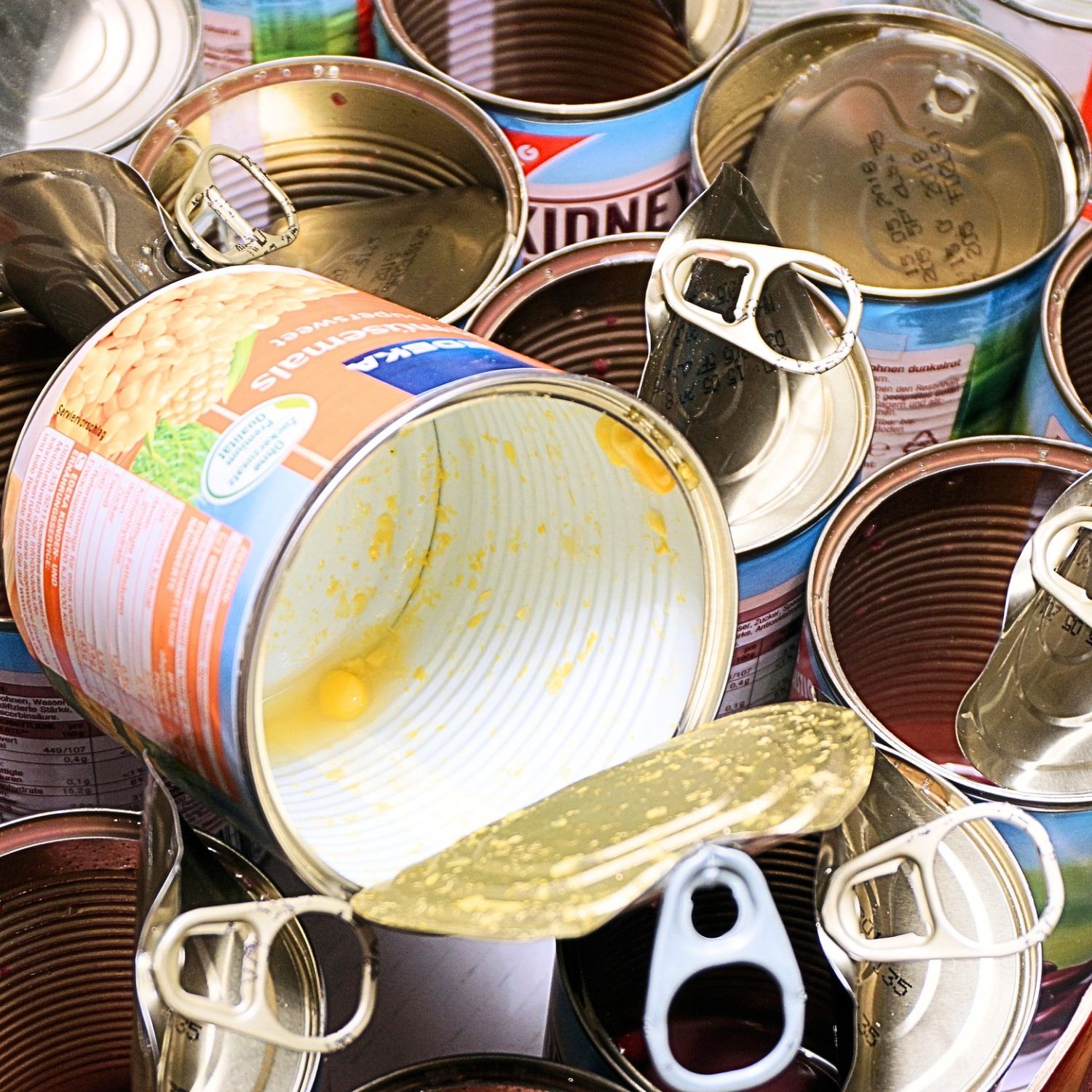
1. The Can Is Bulging or Swollen
A can that looks swollen, has rounded ends, or appears to be expanding should never be ignored. Bulging can indicate gas buildup inside the container, which may be caused by bacterial activity or spoilage.
According to the CDC, bulging or swollen containers are warning signs of possible contamination. Don’t open or taste the contents to investigate.
2. There’s Rust on the Can
A little surface rust doesn’t always mean canned food is unsafe, but heavy rust is another story. Corrosion can weaken the metal, create tiny holes, and compromise the seal.
3. The Can Has Deep Dents
Not every dent means you need to throw away canned food, but the location and severity matter. Deep dents, especially along the top, bottom, or side seams, can damage the seal and allow bacteria to enter.
Avoid cans with severe dents, particularly around seams where the container is sealed.
4. You Notice Leaking Liquid
A can should be completely sealed until you’re ready to open it. If you notice sticky residue, dried food around the seams, or liquid leaking from the container, the seal may have failed.
5. Liquid or Foam Shoots Out When Opened
If liquid or foam unexpectedly spurts out when you open a can, stop immediately. This can indicate pressure buildup or spoilage inside the container.
The CDC specifically warns against eating food from containers that spurt liquid or foam when opened. Don’t taste the food, even if it looks normal afterward.
6. The Food Has Mold or an Unusual Appearance
Visible mold, unexpected discoloration, or unusual growth inside canned food can indicate spoilage. While some changes in color or texture happen naturally over time, mold or other obvious signs of deterioration are reasons to discard the contents.
7. The Can Was Stored in Extreme Heat
Where you store canned food matters just as much as how long you’ve had it. Cans left in hot garages, near stoves, or in places that regularly exceed 100°F may deteriorate faster and face a greater risk of spoilage.
8. The Seal on a Home-Canned Jar Is Loose
Home-canned foods require extra attention because their safety depends on proper processing. A loose lid, broken vacuum seal, leaking jar, or lid that pops up and down when pressed can indicate the food is no longer safely sealed.
The National Center for Home Food Preservation recommends checking jars for signs of seal failure and spoilage. If you don’t know whether the food was canned using a tested method, don’t take the risk.