
Keeping your home warm in the colder months can get expensive, especially when your heating system works overtime. But sometimes the problem isn’t your furnace or thermostat. It’s the little places where warm air escapes and cold air sneaks in.
Drafty windows, poorly sealed doors, and gaps around the house can make it harder to maintain a comfortable temperature. Some of these problems are easy to fix yourself, while others may require a bigger investment.
Before turning up the heat, check these seven places around your home.
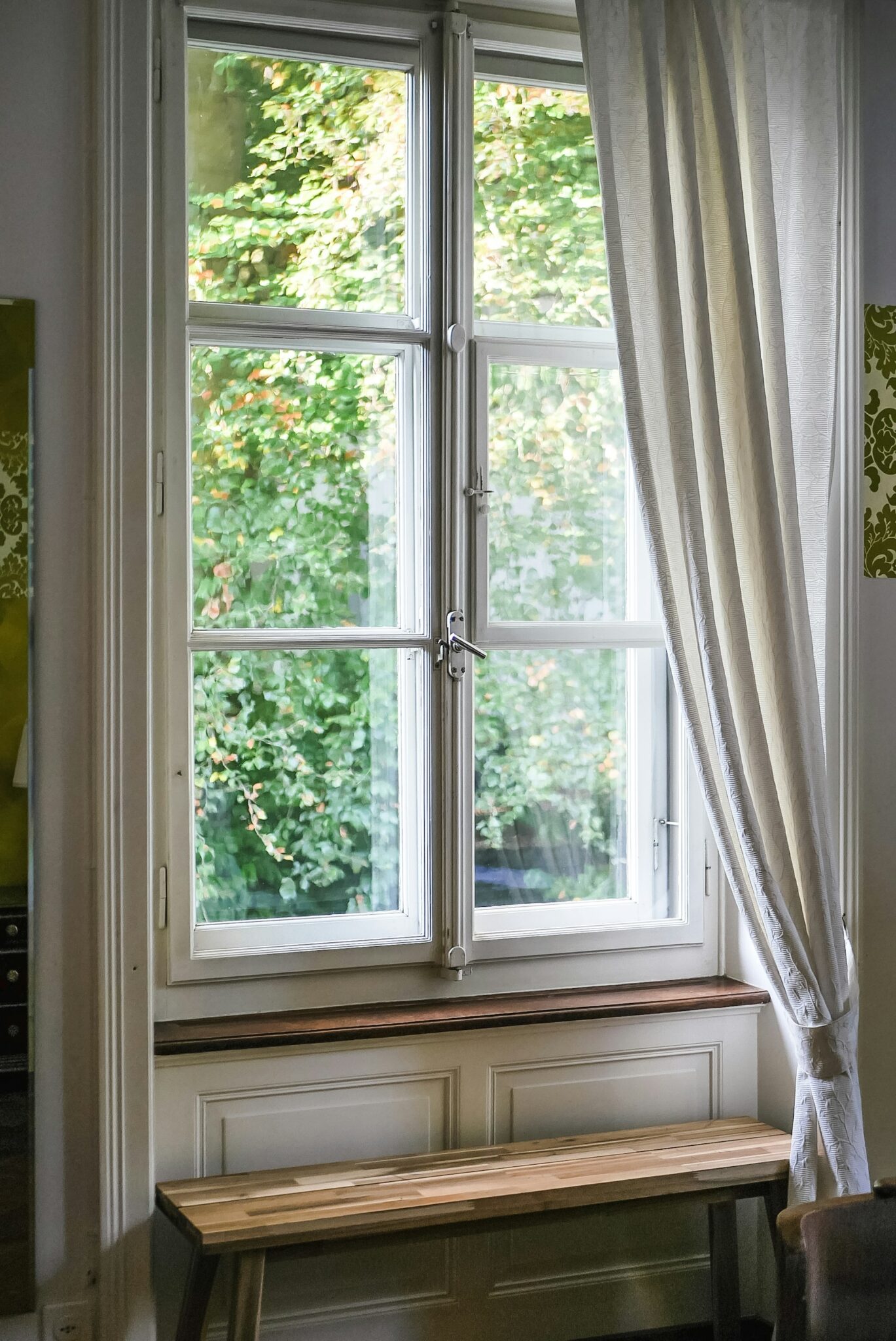
1. Old or Drafty Windows
Windows are one of the first places to check when a room feels colder than the rest of the house. Older windows may have worn seals, gaps around the frames, or glass that doesn’t insulate as well as newer options.
Start by checking for drafts and sealing them with weatherstripping or caulk where appropriate. Window insulation film and properly fitted curtains can also help during colder months.
If your windows are damaged or no longer performing well, replacement may be worth considering. Companies like Canadian Choice Windows and Doors in Edmonton offer energy-efficient replacement options designed for colder climates.
2. Exterior Doors That Don’t Seal Properly
Even a small gap underneath an exterior door can let cold air into your home. Worn weatherstripping and poorly fitted door sweeps are common problems, especially in older houses.
Close the door and check whether you can feel air coming through the edges. Replacing worn seals or installing a new door sweep is usually an inexpensive DIY project.
3. An Attic With Inadequate Insulation
Heat naturally moves from warmer areas to colder ones, and an underinsulated attic can cause significant heat loss in winter.
Check whether your attic insulation meets recommended levels for your climate. Also look for gaps around attic access doors and openings where warm air could escape.
Before adding insulation, seal any air leaks and address ventilation requirements.
4. Gaps Around Pipes and Electrical Openings
Small openings around plumbing pipes, electrical wiring, and utility connections can let outside air into your home.
These gaps are easy to overlook because they’re often hidden behind cabinets, in basements, or along exterior walls.
Use an appropriate sealant for the opening, and make sure any products used around electrical components or heat-producing equipment are approved for that application.
5. Fireplaces and Chimneys
A fireplace can keep one room warm while letting heated indoor air escape through the chimney.
If your fireplace has a damper, keep it closed when the fireplace isn’t in use and the fire is completely out. Check the damper for damage or poor sealing, and have your chimney inspected and maintained as recommended.
Never close a damper while a fire is burning or embers remain.
6. Basement and Crawl Space Openings
Basements and crawl spaces often cause cold floors and uncomfortable rooms above them.
Look for air leaks around rim joists, foundation penetrations, and basement windows. Sealing appropriate gaps and improving insulation can help reduce heat loss.
Be careful not to block required ventilation or interfere with moisture management.
7. Recessed Lights and Attic Access Panels
Ceiling openings can let warm air escape into an unheated attic, especially if they aren’t properly sealed.
An attic hatch may need weatherstripping and insulation, while recessed lights require special attention to their insulation-contact and air-sealing ratings.
These smaller areas are easy to miss, but addressing them can make a difference in how comfortably your home holds heat.
Small Improvements Can Add Up
Making your home more energy-efficient doesn’t always require a major renovation. Replacing weatherstripping, sealing air leaks, and improving insulation are practical projects that can help reduce wasted energy.
Start with the easiest areas to inspect and repair. For larger improvements, such as replacing windows or doors, consider the condition of your existing materials, your local climate, and the potential energy savings before making a decision.
The goal is simple: keep more of the heat you’re already paying for inside your home.