Life can feel like a race between work, family, errands, and the constant buzz of phone notifications. Spending time on a hobby you enjoy can give you a break from screens, keep your hands busy, and help you relax after a long day.
Many traditional pastimes have lasted for generations because they teach useful skills and leave you with something to show for your time. From making candles to carving wood, these 19 old-school hobbies are worth trying if you want a slower, more creative way to spend your free time.
1. Candle Making
Making candles lets you experiment with wax, wicks, fragrances, and containers to create something for your home. Once you learn the basics and follow safe heating instructions, you can try different colors and scents or make handmade gifts for friends and family.
Related: Homemade Honey Vanilla Candle
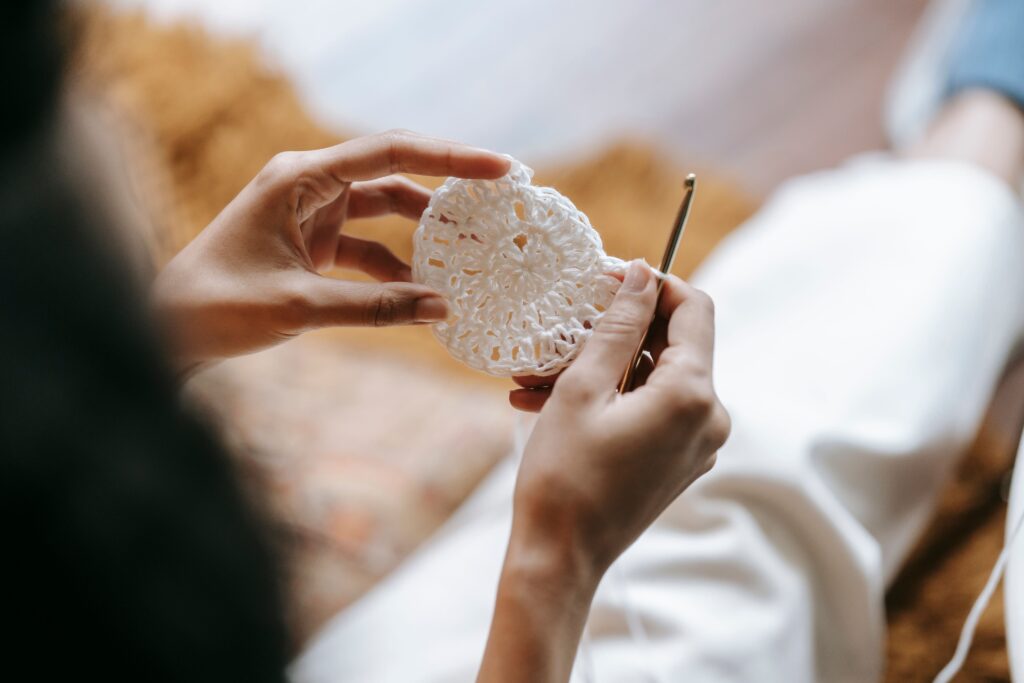
2. Crocheting
Crocheting is a relaxing pastime that requires little more than a hook and some yarn to get started. You can work on scarves, blankets, hats, stuffed animals, or small home decorations while following beginner tutorials at your own pace.
Related: 15 Crochet Ideas That Make Every Stitch Worth It
3. Quilting
Quilting turns pieces of fabric into blankets that can keep you warm and become treasured family keepsakes. It’s also a good way to reuse fabric scraps, worn clothing, or special garments that hold memories.
4. Weaving
Weaving lets you turn yarn and thread into useful pieces such as scarves, table runners, and wall hangings. A small frame loom is enough for many beginner projects, and watching a pattern take shape can make the time pass pleasantly.
Related: 18 Old-Fashioned Hobbies to Try If You’re in Your Granny Era
5. Embroidery
Embroidery adds colorful designs to clothing, towels, pillows, tote bags, and other fabric items with just a needle and thread. Start with simple flowers or letters, then use your new skills to decorate old clothes or cover small areas of wear.
6. Rug Hooking
Rug hooking uses strips of fabric or yarn pulled through a sturdy backing to form patterns and textured designs. It’s a useful way to reuse leftover textiles, and finished pieces can serve as rugs, seat covers, or wall decorations.
7. Leather Crafting
Leatherworking lets you make durable items such as wallets, belts, keychains, and journal covers. A beginner kit can help you learn basic cutting, stitching, and finishing techniques before you invest in more tools.
Related: 18 Ways Preppers Can Make Extra Money Using Skills They Already Have
8. Sewing
Sewing is a practical hobby that can save money by helping you repair clothing, hem curtains, and make simple household items. A basic sewing machine, needles, thread, and fabric scraps are enough to start small projects.
Related: 15 Things to Look for at Garage Sales To Help Build Your Survival Inventory
9. Soap Making
Making soap gives you room to experiment with fragrances, colors, and ingredients for homemade bars to use or give as gifts. Beginners can start with a melt-and-pour kit, while more advanced methods require careful handling of caustic ingredients and proper safety equipment.
10. Basket Weaving
Basket weaving combines handwork with a useful finished product for storing blankets, organizing shelves, or gathering garden produce. Beginners can try a kit before moving on to reeds, vines, grasses, or other natural materials.
11. Cross-Stitch
Cross-stitch uses small X-shaped stitches to build pictures, words, and patterns on fabric. It’s portable and easy to pick up in short sessions, making it a pleasant activity while listening to music or an audiobook.
12. Watercolor Painting
Watercolor painting is a good way to explore art without needing a large studio or expensive equipment. A small paint set, a few brushes, and watercolor paper are enough to paint flowers, landscapes, or scenes from your neighborhood.
13. Calligraphy
Calligraphy turns ordinary writing into decorative lettering for greeting cards, invitations, journals, and gift tags. With a suitable pen, paper, and regular practice, you can learn different letter styles and give handwritten notes a personal touch.
14. Stained Glass
Stained glass projects can become colorful sun catchers, ornaments, or window panels that catch the light. Since cutting glass requires special tools and careful handling, a beginner class is a good place to learn the basics before setting up at home.
15. Spinning Yarn
Spinning turns raw wool or other fibers into yarn for knitting, crocheting, and weaving projects. You can start with a drop spindle and small amounts of fiber, then learn more about preparing fleece and creating yarn with different thicknesses.
16. Pottery
Pottery lets you shape clay into bowls, mugs, planters, ornaments, and other useful objects. Air-dry clay is a convenient option for beginners, while pieces intended for food use or regular washing need suitable clay and proper kiln firing.
17. Knitting
Knitting uses two needles and yarn to make clothing, blankets, scarves, socks, and other handmade pieces. The repeated motions can make it a relaxing evening activity, and simple beginner patterns help you learn one stitch at a time.
18. Macramé
Macramé uses knots to make plant hangers, wall decorations, table runners, and other home accessories. You can learn a few basic knots with cord and scissors, then work on small projects that suit your home or make thoughtful gifts.
Related: 25 High-Demand Crafts People Make Lots of Money Selling Online
19. Whittling
Whittling involves carving small pieces of wood into figures, spoons, ornaments, and other simple objects using a carving knife. Start with soft wood and proper instruction, keep your hands clear of the blade’s path, and use cut-resistant protection suited to the task.
Other Topics You Might Like
- 21 Useful Hobbies That Build Strong Prepping and Survival Skills
- 18 Creative Grandma-Era Hobbies That Relieve Stress and Boost Happiness
- 18 Old-Fashioned Hobbies to Try If You’re in Your Granny Era
- 22 Grandma Hobbies to Help You Recharge, Reconnect and Reset Your Mind
- 19 Old-School Hobbies to Try if You’re Feeling Overwhelmed and Burnt Out