Long before supermarkets, YouTube tutorials, and modern appliances, everyday life depended on practical know-how. Families couldn’t run to the store every time something broke or they needed food for the table. They grew crops, repaired clothing, preserved harvests, and built what they needed because there were few other options.
Many of those everyday skills have faded as modern life has become more convenient. Today, it’s often easier to replace an item or hire someone to fix it than learn how to do it yourself. Still, these old-fashioned abilities remain useful for anyone interested in saving money, becoming more self-reliant, or simply appreciating how earlier generations lived.
Here are 11 pioneer skills that deserve a second look.

Catching Fish
For many pioneer families, fishing was one of the easiest ways to put fresh food on the table. Rivers, lakes, and streams provided a dependable source of protein, especially during seasons when hunting was less productive.
Fishing is still a valuable skill today. It can help stretch a grocery budget, provide fresh meals, and encourage more time outdoors.
Related: 15 Things Experienced Gardeners Avoid Planting in Raised Beds
Growing a Garden
Pioneers depended on gardens for much of their food. Vegetables, herbs, beans, and fruit were grown close to home and preserved for the colder months.
You don’t need acres of land to enjoy the benefits. A small backyard plot or a few containers on a patio can produce a surprising amount of fresh food throughout the growing season.
Hunting
Wild game was an important food source for many pioneer families. Hunting supplied meat while reducing the need to rely entirely on livestock or stored food.
Today, hunting remains a way for many people to fill their freezers with lean meat while spending time outdoors. It also requires patience, preparation, and a solid knowledge of local wildlife and regulations.
Related: 10 Things Every Homesteader Should Always Buy at Thrift Stores
Sewing and Mending
Buying new clothes wasn’t always an option. Torn shirts were patched, missing buttons were replaced, and worn-out garments were repaired until they could no longer be saved.
Basic sewing skills still have plenty of value. Fixing a seam or replacing a zipper takes only a little practice and can extend the life of clothing, bedding, and other household fabrics.
Basic Carpentry
Pioneers often built barns, fences, furniture, and simple homes using hand tools and locally available lumber. Repairs were part of everyday life.
Knowing basic carpentry today allows you to tackle home repairs, build simple projects, and avoid paying for every small job around the house.
Related: 14 Things Professional Organizers Would Remove From Your Kitchen Cabinets
Foraging for Wild Foods
Earlier generations understood which berries, nuts, greens, and mushrooms were safe to gather. Wild plants helped supplement gardens and provided food during lean times.
Foraging is still popular, but it requires careful study. Many edible plants have poisonous lookalikes, so proper identification is always the first priority.
Baking Bread From Scratch
Fresh bread was a household staple for pioneer families. Making it required simple ingredients but plenty of practice, especially when baking in wood-fired ovens.
Learning to bake bread today is a rewarding skill that produces fresh loaves while giving you complete control over the ingredients.
Related: 12 Unexpected Things You Can Do With a Box of Cornstarch
Canning and Preserving Food
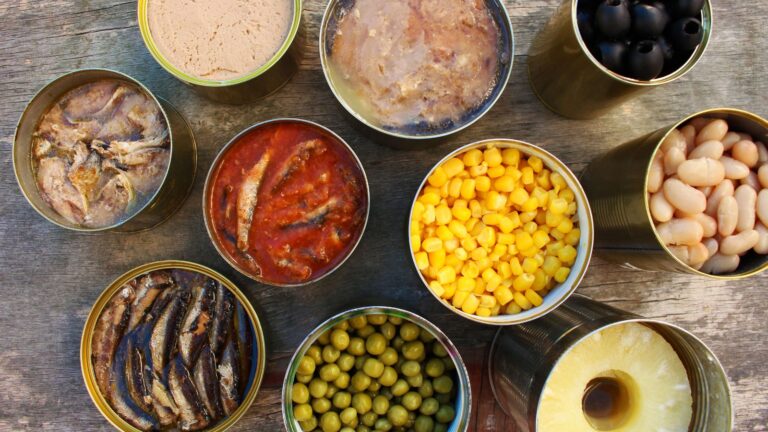
Long before refrigerators and freezers, preserving food was one of the most valuable household skills. Fruits, vegetables, meats, and jams were canned so families would have food throughout the winter.
Home canning remains a practical way to preserve garden harvests, reduce food waste, and build a well-stocked pantry.
Bartering With Neighbors
Money wasn’t always easy to come by, so many pioneer families traded goods and services instead. Eggs might be exchanged for flour, vegetables for firewood, or sewing work for fresh meat.
Bartering also strengthened local communities by encouraging neighbors to depend on one another during difficult times.
Related: 10 Things Designers Always Remove From an Entryway Before Company Comes Over
Keeping Bees
Beekeeping supplied more than just
Today, raising bees also supports local pollination, helping gardens, fruit trees, and nearby crops produce better harvests.
Cooking Without Modern Appliances
Pioneers prepared meals without electric ovens, slow cookers, or microwaves. They cooked over open fires, wood stoves, and in heavy cast-iron cookware that could handle high heat.
Learning these traditional cooking methods can be useful during camping trips, power outages, or emergency situations. They also offer a greater appreciation for the time and skill earlier generations invested in preparing everyday meals.
Other Topics You Might Like
- 21 Useful Hobbies That Build Strong Prepping and Survival Skills
- 18 Creative Grandma-Era Hobbies That Relieve Stress and Boost Happiness
- 18 Old-Fashioned Hobbies to Try If You’re in Your Granny Era
- 22 Grandma Hobbies to Help You Recharge, Reconnect and Reset Your Mind
- 19 Old-School Hobbies to Try if You’re Feeling Overwhelmed and Burnt Out