This post may contain affiliate links.


Most people dump used coffee grounds straight into the trash without thinking twice about them. Gardeners tend to see them differently. That scoop of leftover grounds from the morning pot can actually be useful around the yard, especially for plants that prefer richer, slightly acidic soil.
Coffee grounds add organic material back into the soil and give plants a mild nitrogen boost as they break down. They can also help the soil hold moisture a little longer and support the microbes that keep everything healthy underground. Some gardeners even swear they help discourage pests like slugs from hanging around delicate plants.
They’re not magic, and they won’t completely change your soil overnight, but many acid-loving plants respond surprisingly well to them when used in moderation. Here are 22 plants that tend to appreciate a little coffee ground boost around their roots.
Blueberries

Apply coffee grounds around the base of blueberry plants in the spring to help retain moisture, enhance soil fertility, and support healthy fruit production.
Strawberries

Strawberries are greedy feeders and benefit from the nutrients and organic matter in coffee grounds. Coffee grounds can also help repel slugs and other bugs that like to munch on your precious strawberry crop.
Roses

Roses benefit greatly from the nitrogen content in coffee grounds, which promotes lush foliage and vibrant blooms. To make the most of these nutrients, apply coffee grounds in early spring, just before the growing season begins.
Tomatoes

Apply coffee grounds to the soil around young tomato plants in the spring for a nitrogen boost that gets them off to a strong start. Coffee grounds also improve soil structure, helping to retain moisture for these thirsty plants.
Grapes

Coffee grounds will improve soil fertility and encourage vigorous grapevine growth. For the best results, incorporate coffee grounds into the soil at the base of grapevines in the spring.
Basil

Coffee grounds stimulate leafy growth in basil plants, guaranteeing lush harvests all summer long. Basil and tomatoes are the perfect companions, and both happen to love coffee grounds, so it’s a win-win situation all around!
Azaleas

Coffee grounds provide essential nutrients that lead to healthier azalea plants with prolific blooms. It’s best to apply coffee grounds in the spring, as azaleas begin to show new growth, ensuring they have the necessary resources for robust flowering.
Carrots

Carrots benefit from the slow-release nutrients provided by coffee grounds, which help improve root development and overall growth. Mixing coffee grounds into the soil before sowing carrot seeds in the spring can lead to a better harvest.
Blackberries

Apply coffee grounds to the base of blackberry canes in the spring or fall to enrich the soil and support healthy growth and fruit production.
Parsley
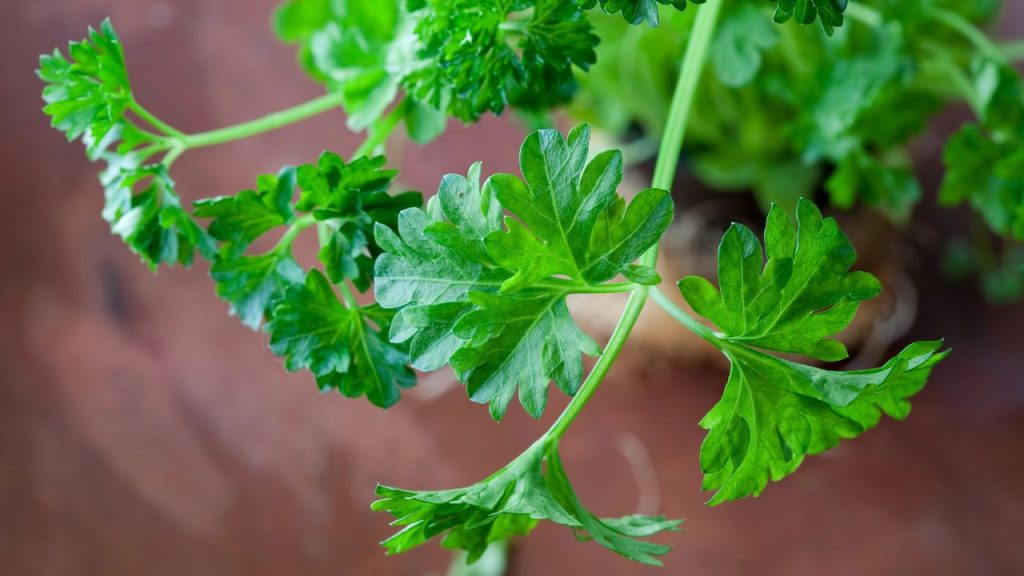
Like most leafy green herbs, parsley benefits from the slow-release nutrients in coffee grounds. Mix coffee grounds into the soil in the spring to enhance its fertility and structure, boosting your parsley harvest.
Camellias

Camellias benefit from the organic matter and nitrogen that coffee grounds introduce into the soil. These elements encourage strong leaf growth and enhance the plant’s health, leading to more vibrant blooms.
Radishes

Radishes grow incredibly quickly and need highly fertile soil to support this rapid growth. The nitrogen in coffee grounds supports the development of healthy roots, resulting in larger, crisper radishes.
Spinach

Apply coffee grounds to the soil around spinach plants in the spring or early summer to support lush, green leaf growth throughout the growing season.