
The plants you line along your walkway can change the whole feel of your space. They help frame the path, add color, and make everything look more put-together. Even simple groupings can soften the edges of concrete or stone and make your yard feel more inviting.
With so many options out there, it helps to pick plants that stay interesting through the seasons, whether that’s steady greenery, long blooms, or a mix of both. Here are 15 plants that work beautifully along walkway borders.
Irish Moss (Sagina subulata)

Irish moss is the perfect grass replacement for areas with shady, moist soil. It forms a dense mossy carpet of tiny leaves and small white flowers. It stays green all year round and readily roots into gaps between stones and rocks.
Plant Irish moss in early spring or fall, spacing the plugs about 6 inches apart. Water regularly until well established, particularly during dry spells.
Astilbe

With feathery plumes of white flowers above fern-like foliage, white
Zinnias

Zinnias are a butterfly favorite, with their wide range of colors and easy-to-grow nature. They bloom all summer long, giving butterflies a constant source of nectar.
16 Annual Flowers That Will Bloom Until The First Frost
Lavender
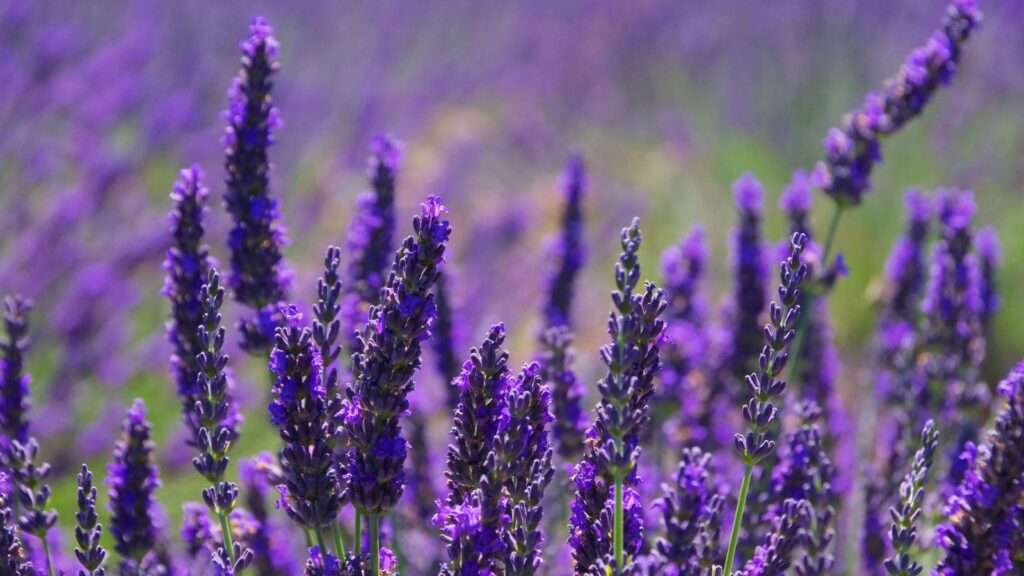
Lavender is excellent for creating aromatic borders and pathways. It is also used in dried floral arrangements and essential oils. It needs full sun and well-drained, slightly alkaline soil. Once established, water sparingly to prevent root rot, and prune annually for shape and increased blooms.
16 Stunning Purple Perennial Flowers That Will Make Your Garden Pop
Marigold

A garden favorite, marigolds repel pests and attract beneficial insects, making them perfect for borders and companion planting in vegetable gardens. It is best to plant in full sun and well-drained soil. You must water regularly, but allow the soil to dry slightly between waterings. Remove old blooms to promote continuous flowering.
Why Marigolds Deserve a Spot in Your Garden Year After Year
Creeping Thyme (Thymus serpyllum)

Creeping thyme is an excellent alternative to grass, forming a dense mat of lush green foliage that produces tiny, fragrant flowers all summer long. It tolerates drought and a high level of foot traffic and rarely needs mowing. This grass alternative is best suited to areas that have hot, dry summers.
To establish creeping thyme, plant young plugs spaced 6-12 inches apart in the spring or early fall. Mulch around the plants to suppress weeds and water regularly until the plants are well-established.
Salvia

Salvia adds vertical interest to borders and attracts pollinators like bees and butterflies with its colorful blooms. Requires full sun and well-draining soil. Water moderately, ensure mature plants do not remain soaked, and deadhead for continuous blooms.
Daylily

Daylilies are versatile and hardy. With their variety of colors and sizes, they are suitable for any border and also work well in larger plantings. They prefer slightly acidic, well-drained soil. Water regularly, especially in dry periods, and deadhead spent flowers.
Hosta

With its colorful foliage, Hosta is ideal for shaded borders or planting under taller shrubs. It offers shades of greens, yellows, and reds. Hosta requires shade and thrives in moist, rich soil. Keep soil consistently moist, protect it from pests, and ensure it isn’t exposed to too much sun.
Thrift

Thrift, often called “sea thrift” or “sea pink,” is a resilient perennial. Its striking, deep pink, ball-shaped blooms add a burst of color to most gardens. Not only are these vibrant flowers ideal for cutting, but they also make an excellent choice for border planting. Thrift is a low-growing plant that easily adapts to drought and drying winds, making it a low-maintenance option for gardeners. It thrives in Zones 3-9.
Coral Bells (Heuchera spp.)

Coral bells are a low-growing perennial plant that produces mounds of colorful leaves and delicate spikes of bell-shaped flowers that attract pollinating insects. This hardy plant rarely suffers from disease and grows best in shaded woodland gardens.
Dahlia

Dahlias are loved for their vibrant, showy blooms. They come in a wide array of colors and sizes and are a favorite among pollinators. Whether used in flower beds, borders, or containers, dahlias add a burst of color and charm to any outdoor space.
Blooming from mid-summer until the first frost, these perennials thrive in well-drained soil and full sun. They are suitable for USDA hardiness zones 8-11.
Coneflower

Coneflowers provide a natural, wildflower look and attract wildlife like birds and butterflies, making them popular for garden borders. Coneflowers thrive in full sun to light shade. Once established, they are drought-tolerant. Deadhead old blooms to extend flowering and control self-seeding.
Sedum

Sedums have succulent leaves that offer year-round color and are drought-tolerant. Prefers full sun and well-drained, poor soil. It’s best to avoid overwatering to prevent root rot.
Azaleas

Azaleas dazzle with spring blooms in vivid shades, some varieties offering foliage that lasts all year. They enjoy slightly acidic, well-drained soil and can brighten both sunny and partially shaded spots.