It’s easy to forget how much effort went into putting dinner on the table during frontier days. Families had no refrigerators for leftovers, no nearby supermarkets, and no quick way to replace food when supplies ran low.
They cooked with what they grew, hunted, traded, or managed to store. Most meals relied on a few inexpensive ingredients, prepared over an open fire or wood stove and stretched to feed everyone at the table. Some dishes were plain, but they were filling and made good use of whatever was on hand.
A number of these old recipes are still worth trying today. They’re affordable, easy to make, and offer a look at how families cooked during a time when wasting food wasn’t an option.
Johnny Cakes
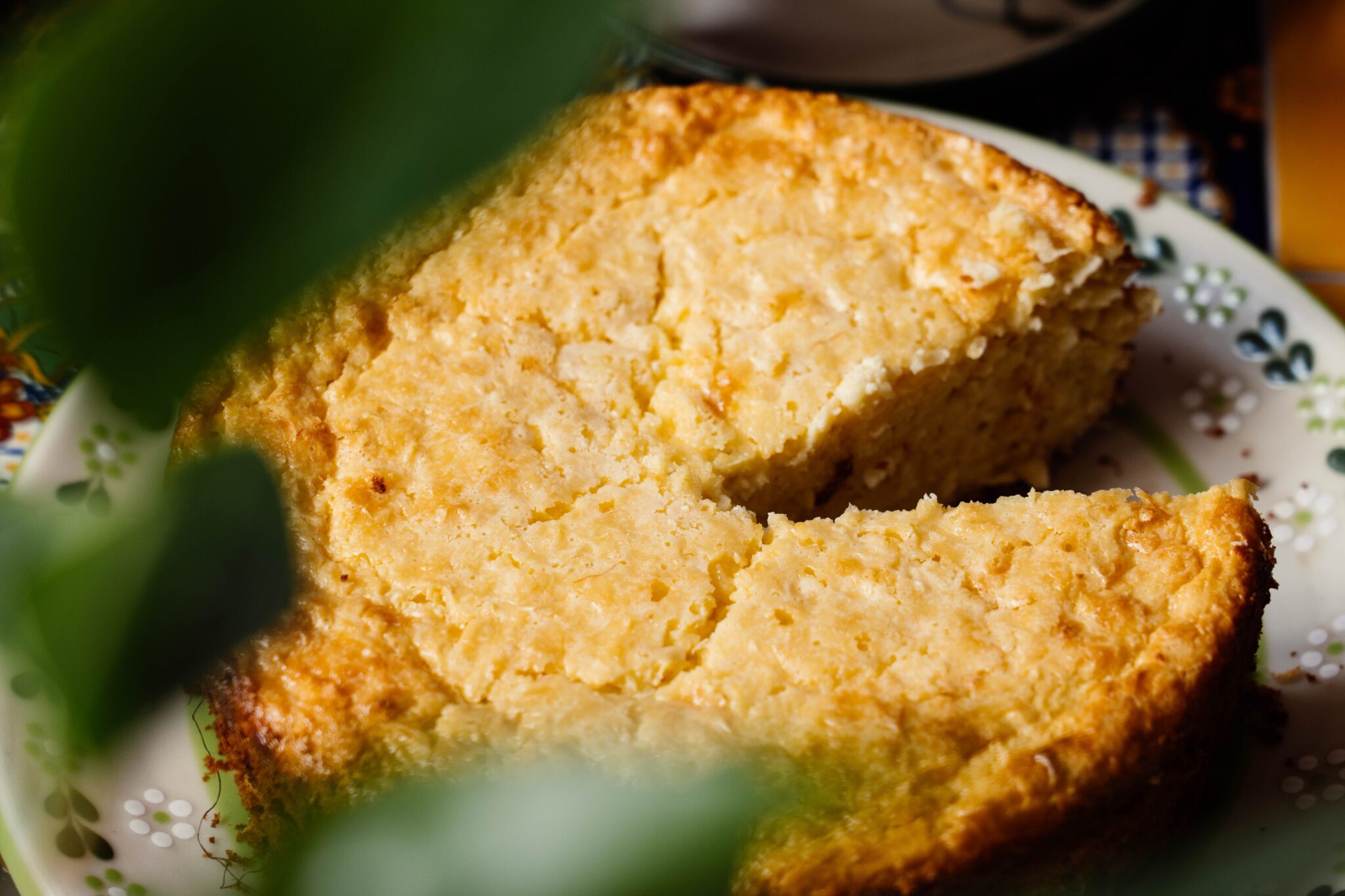
Johnny cakes are a good example of how a few pantry staples could make a filling meal. Cornmeal, water, and salt are all you need to prepare a simple flatbread on a skillet.
They come out similar to thin cornmeal pancakes and can be served plain or with whatever toppings are available. A little sugar or fruit makes them sweeter, while a plain cake goes well with savory dishes.
Related: 18 Dump Cake Ideas for the Simplest and Sweetest Dessert
Cornbread
Dried corn was a dependable food supply because it could be stored for long periods and ground into meal for cooking. Cornbread was a straightforward way to turn that meal into something families could serve with dinner.
Recipes varied depending on what a household had available, but cornmeal mixed with water or milk was often enough to get started. A pan of cornbread paired well with beans, soups, and stews, helping make a modest meal go further.
Hardtack
Hardtack wasn’t made to win any cooking contests, but it served an important purpose: it lasted. Flour, water, and salt were mixed into a dough, then baked until the crackers became very dry and hard.
Biting into one straight from the batch could be difficult, so people often softened it in soup, stew, coffee, or another liquid. Soldiers, travelers, and others who needed food that could withstand long trips relied on hardtack because it kept well when protected from moisture.
Related: 25 of Grandma’s Signature Pound Cake Recipes That Are Delightfully Good
Jerky
Before refrigerators and freezers, drying meat was one way to keep it from spoiling too quickly. Beef, venison, and other meats could be sliced into thin strips, salted, and dried or smoked to remove much of their moisture.
This gave families a way to save meat for later instead of eating an entire supply right away. Jerky was lightweight, easy to carry, and could be eaten without cooking, making it useful for hunters, travelers, and anyone spending long days outdoors.
Coffee Substitute
Coffee wasn’t always easy to find, especially during shortages or long trips away from established towns. Families sometimes roasted and brewed other ingredients, such as chicory root, barley, or rye, to make a warm drink.
These substitutes didn’t taste exactly like coffee or provide the same caffeine, but they offered something warm to enjoy in the morning. The ingredients could also be stored for later, making them handy when regular coffee wasn’t available.
Related: 15 Coffee Recipes for a Perfect Morning Pick-Me-Up
Ash Cakes
Ash cakes are among the simplest breads people have made. A basic mixture of cornmeal and water is formed into dough and cooked near hot ashes or on a heated stone.
This cooking method worked well for families preparing meals outdoors with little equipment. No oven, baking powder, or lengthy preparation was needed, and the finished cakes could be eaten plain or served with whatever else was available.
Potato Cakes
Potatoes were a reliable crop for many households because they were inexpensive to grow, easy to store, and filling. Turning cooked potatoes into small fried cakes was a practical way to make another meal from food already in the kitchen.
The potatoes were mashed, shaped into patties, and fried in a pan with a little fat. Salt was often enough for seasoning, though leftover onions, vegetables, or meat could be added when available.
Related: 15 Clever Kitchen Finds That Take the Hassle Out of Cooking
Potato Soup
A pot of potato soup could feed several people without requiring costly ingredients. Potatoes were simmered in water or broth with whatever else the household had, such as vegetables, herbs, milk, meat, or leftovers.
As the soup cooked, the potatoes softened and the flavors blended together. It made a welcome hot meal after a cold day outdoors, and a large pot could be prepared over a fire or wood stove.
Soda Biscuits
Soda biscuits gave families another way to make bread without waiting for yeast dough to rise. Flour, baking soda, fat, and liquid came together in a quick dough that could be cooked in a cast-iron pan or over hot coals.
They could be served plain, alongside meat and gravy, or with syrup if something sweet was available. A batch provided a filling addition to the meal without requiring many ingredients or hours of preparation.
Split Pea Soup
Dried peas were a useful pantry staple because they stored well and provided plenty of food from a small amount. For split pea soup, the peas were simmered in water with whatever ingredients a family had on hand.
Some cooks added salt pork, ham, onions, carrots, or other vegetables, while a basic version could be made with little more than peas, water, and salt. The soup could cook slowly while other chores were underway, and one pot was often enough to feed several people.