Before grocery delivery, smartphones, modern kitchen appliances, and the convenience of buying almost anything online, many households relied on practical skills to get through everyday life.
Growing food, repairing clothing, preserving the summer harvest, and making things last were simply part of running a household.
While modern conveniences have made many of these tasks easier, they’ve also made it possible to go through life without learning some useful skills. Here are 15 traditional skills that are still worth knowing today.
Growing Your Own Food
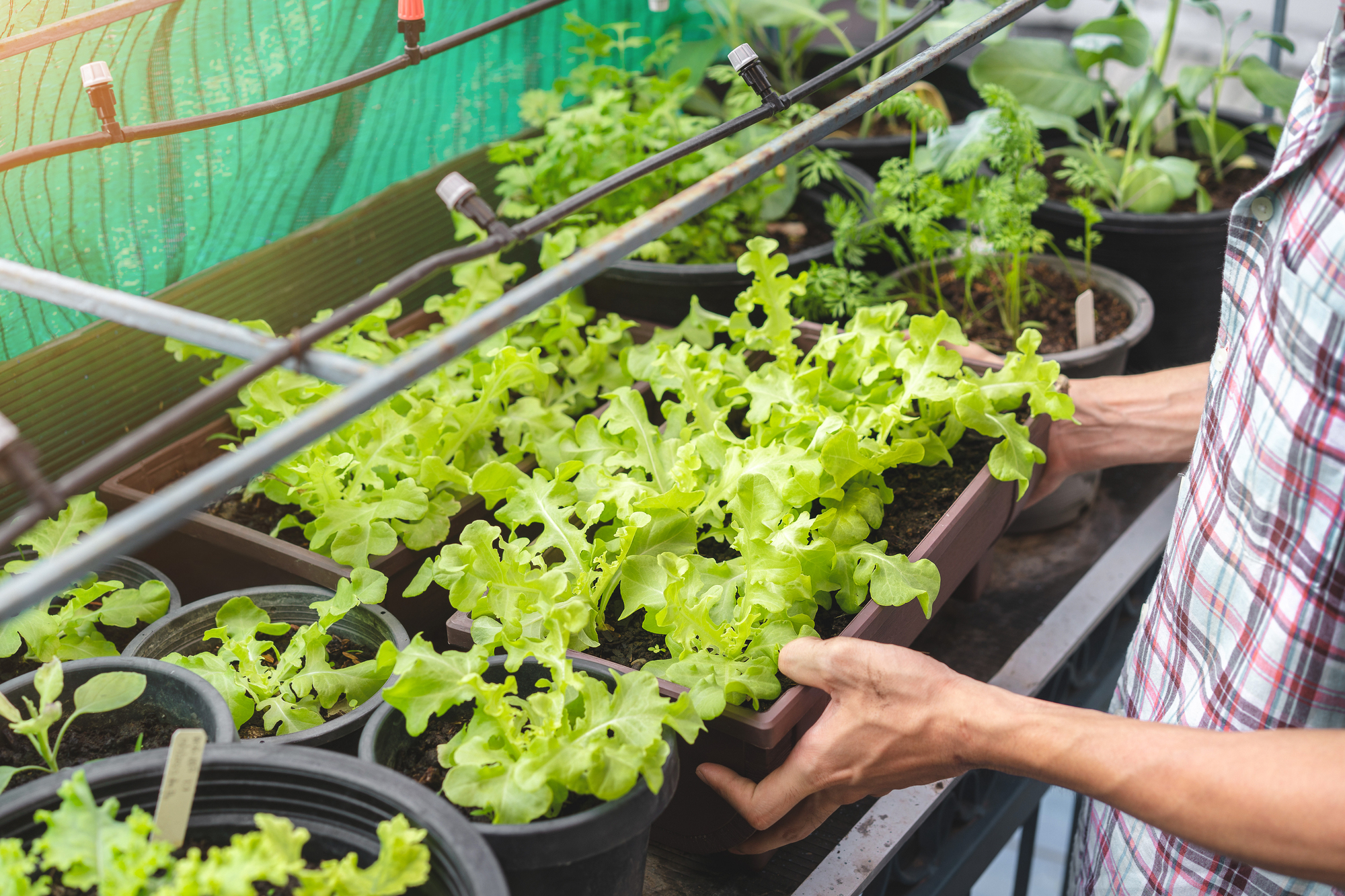
Many families once relied on backyard gardens to supplement what they purchased at the grocery store. Learning how to grow vegetables, herbs, and other edible plants can reduce grocery expenses and give you another source of fresh food.
Preserving Food
Canning, dehydrating, freezing, and fermenting allowed households to enjoy seasonal produce long after the growing season ended. Learning safe food preservation techniques can help reduce waste and build a pantry filled with foods your family actually eats.
Baking Bread From Scratch
Making bread from basic ingredients was once a common household skill rather than a specialty hobby. With flour, yeast, water, salt, and a suitable cooking method, you can make a variety of breads without depending on store-bought loaves.
Cooking With Basic Pantry Ingredients
Previous generations often knew how to turn a handful of inexpensive ingredients into a filling meal. Knowing how to cook with beans, rice, flour, potatoes, and other staples can be particularly useful when money is tight, or grocery shopping isn’t possible.
Repairing and Mending Clothing
A missing button, torn seam, or small hole wasn’t always a reason to throw away a piece of clothing. Basic sewing skills can extend the life of your wardrobe and save money on replacements.
Cooking Without an Electric Stove
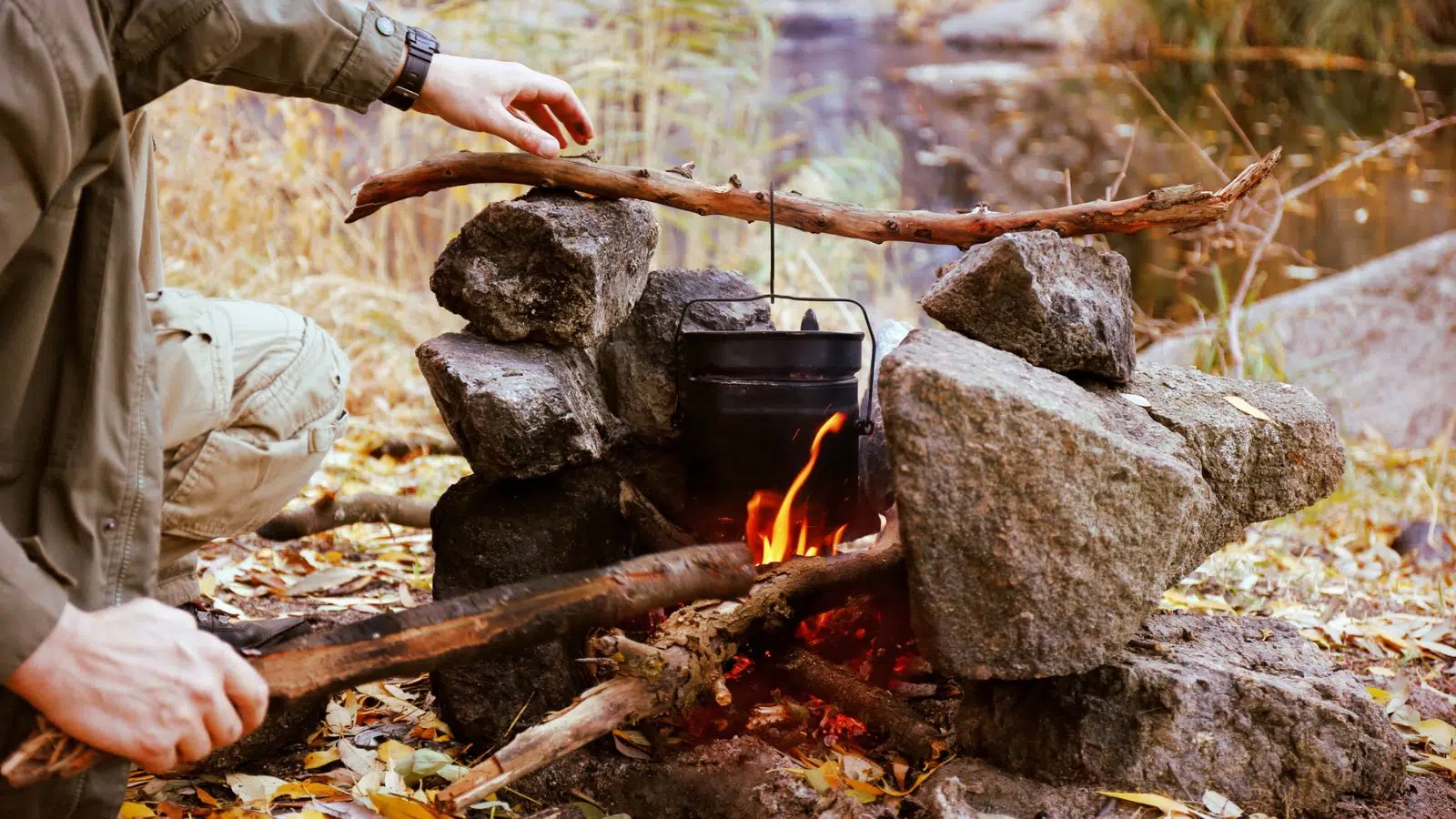
Outdoor cooking, campfire cooking, and other traditional methods were familiar to many people long before modern appliances became standard. Learning to use outdoor cooking equipment safely gives you another option when electricity isn’t available.
Collecting and Storing Water
Knowing how to safely store water is a practical skill that becomes especially important when household water service is interrupted. Learning the difference between potable water and water suitable only for non-drinking purposes is equally important.
Reading a Paper Map
Before GPS navigation, people relied on road maps, landmarks, and written directions to get where they needed to go. Being able to navigate without a smartphone can be useful when batteries die, cellular service fails, or evacuation routes change.
Making Basic Household Repairs
Knowing how to tighten loose hardware, repair a damaged piece of furniture, or fix a minor household problem can save time and money. Having a few basic tools and understanding how to use them is still a valuable form of self-reliance.
Washing Clothes by Hand
A washing machine is convenient, but it isn’t the only way to clean clothing. Knowing how to wash, rinse, and air-dry clothes can be useful during extended outages or when household appliances stop working.
Saving Seeds
Many gardeners once saved seeds from their harvest to plant the following year. Learning which plants produce reliable seeds and how to store them properly can reduce gardening expenses and help maintain a productive garden.
Caring for Backyard Chickens
For households with the space and resources, raising chickens can provide a regular supply of fresh eggs. Learning about proper housing, nutrition, sanitation, and predator protection is essential before bringing chickens home.
Practicing Basic First Aid
Knowing how to care for minor injuries and recognize when someone needs professional medical attention is a skill every household can benefit from. Taking a first aid course is a practical way to become more confident in handling unexpected situations.
Making Food and Household Supplies Last
Previous generations often stretched ingredients, repurposed leftovers, and repaired things rather than immediately replacing them. These habits can help households manage limited resources during both financial setbacks and emergencies.
Living Without Constant Entertainment
Before streaming services, video games, and smartphones, families entertained themselves with books, cards, board games, crafts, and conversation. Knowing how to keep yourself and your children occupied without electricity can make an extended power outage considerably more manageable.