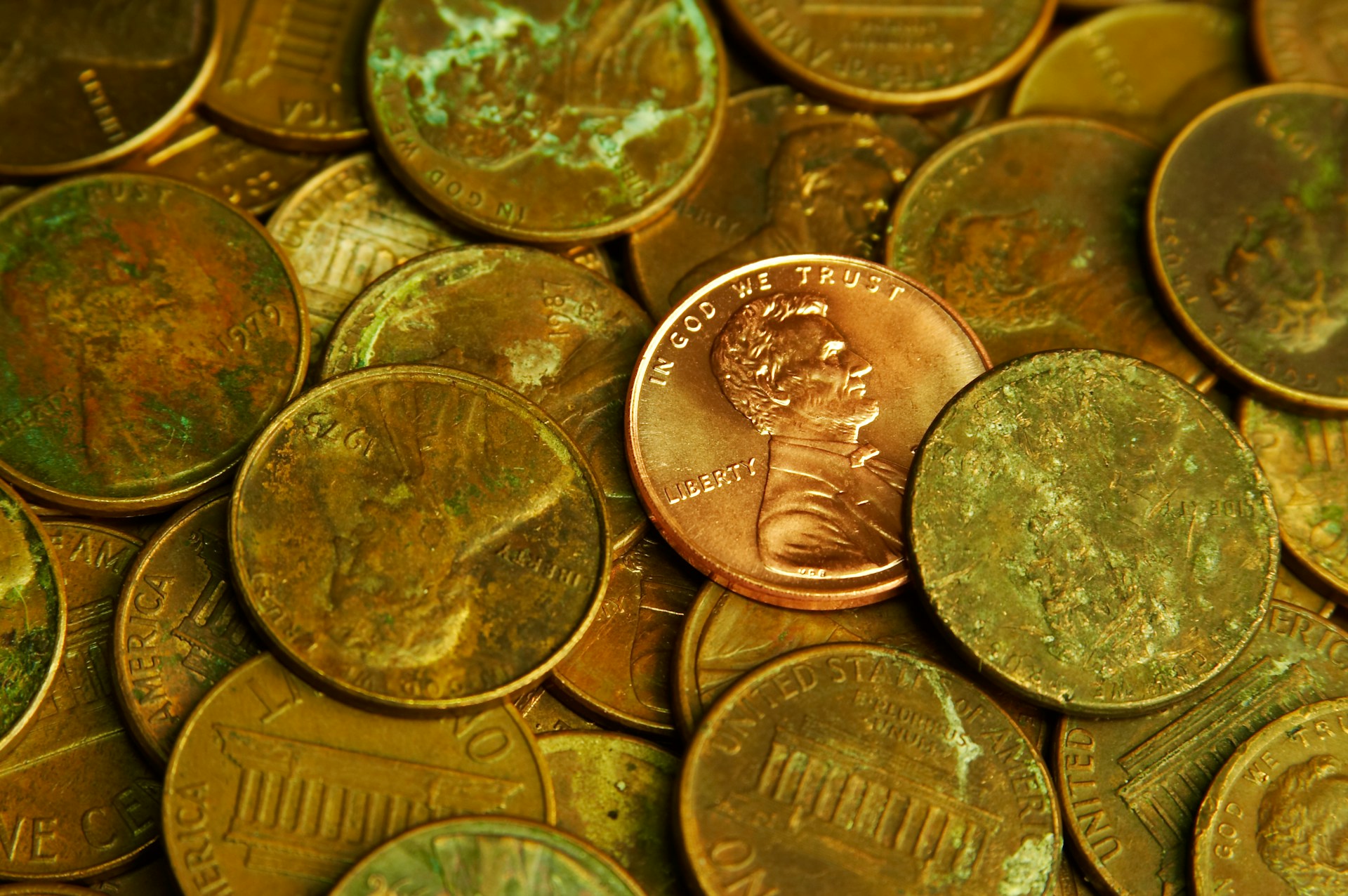
If you’re anything like me, you probably have pennies scattered around the house. They sit in old jars, in drawers, or collect dust in the car because nobody really knows what to do with them.
But now that the U.S. Mint has stopped producing pennies for everyday circulation, you might be wondering whether it’s time to cash them in or hang on to them.
The last circulating penny was produced in November 2025, ending a tradition that lasted more than 200 years. While existing pennies are still legal tender, consider a few things before you empty that change jar.
1. Spend Them While They’re Still in Circulation
Just because the Mint stopped making pennies doesn’t mean the ones you already have are worthless. You can still use them to pay for purchases, though some businesses may have policies about accepting coins.
If you have a small collection sitting around, spending them gradually might be the easiest way to put that money back to use.
2. Check for Pennies That Could Be Worth More
Before dumping your entire collection into a coin machine, take a closer look at what you’ve accumulated. Certain pennies are worth more than their face value because of their age, rarity, condition, or minting errors.
You might not find anything valuable, but it’s worth checking dates and unusual markings before getting rid of everything.
3. Cash Them In at Your Bank
If you’re ready to get rid of that overflowing change jar, your bank might be your best option. Some banks accept loose coins, while others require you to roll them before depositing.
Call ahead to confirm their policy, especially if you have a large collection, since coin deposits and fees vary by bank.
4. Use a Coin-Counting Machine
Coin-counting machines can do the work for you, turning a pile of loose change into cash or another payment option. Watch the fees, since some machines take a percentage of your total, which can add up when you’re trying to cash in a large collection.
5. Hold On to Older Copper Pennies
Pennies made before 1982 are worth a second look because most contain significantly more copper than newer pennies. In 1982, the Mint switched to a zinc-based composition, though it produced both types that year.
That doesn’t automatically make older copper pennies valuable collectibles, but some people prefer to keep them because of their different metal composition. Keep in mind that federal rules generally prohibit melting pennies for their metal value.
6. Donate Your Spare Change
If you don’t feel like sorting through hundreds of pennies, consider donating them to a local charity, school, or community fundraiser that accepts coins. A handful might not seem like much, but several jars of change can add up.
It’s also an easy way to clear out clutter while putting money you weren’t using toward something worthwhile.
7. Save a Few as Keepsakes
Even if your collection isn’t worth much, you might want to save a few coins from meaningful years, such as your birth year or the year your children were born. You don’t need to keep every penny you’ve ever collected, but keeping a handful can be a fun way to remember a small piece of history.
So, Should You Keep Your Pennies?
For most people, there’s no financial reason to hold on to every penny in the hope that they’ll suddenly become valuable. Billions are already in circulation, and ending production doesn’t automatically make ordinary pennies rare.
I’d recommend checking your collection for potentially valuable coins, keeping a few older or sentimental ones, and cashing in or spending the rest. After all, money sitting in a jar isn’t doing much for you, even if it’s only worth a few cents at a time.